


Xi’an Terracotta Army with Kids: A Family-Friendly Q&A Guide to Avoiding Crowds and Bringing History to Life
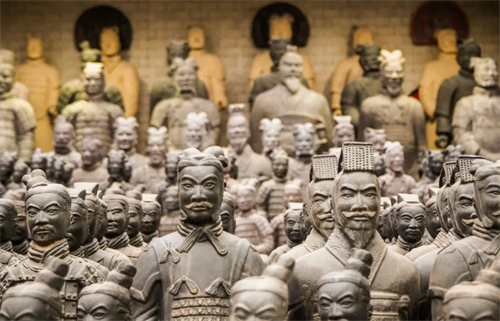
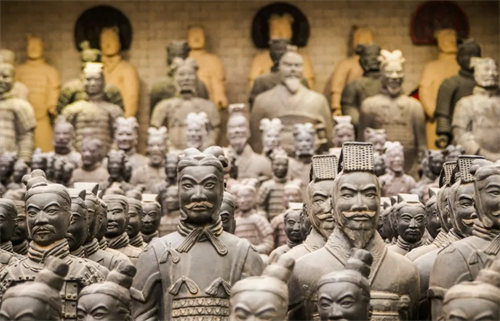
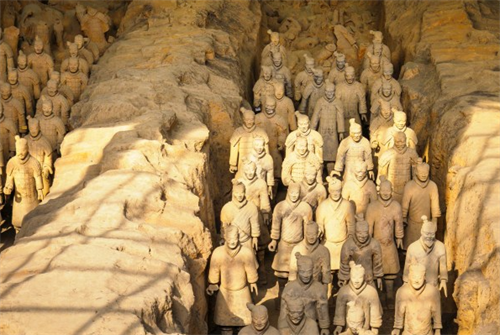
I still remember standing at the edge of Pit 1, looking out over the endless rows of Terracotta Warriors, and wondering whether I had made a mistake bringing a child here. This was one of the most famous archaeological sites in the world—vast, quiet, and serious. Would it feel too heavy? Too abstract? Too crowded?Then the questions started.
“Why are their faces all different?”
“Did someone really make every single one?”
“Who were they waiting for?”
At that moment, the Terracotta Army stopped being a museum visit and became a conversation—one that unfolded slowly, step by step, as we walked. Instead of rushing through the site like many visitors do, we lingered. We compared soldiers. We imagined what their lives might have been like. My child didn’t see an ancient army; they saw people frozen in time.
The Terracotta Army is not just an archaeological site—it is a powerful storytelling space. When approached thoughtfully, it becomes an interactive history lesson where children don’t just observe the past; they interrogate it. With the right planning, pacing, and perspective, families can avoid crowds, reduce fatigue, and turn this world-famous attraction into a meaningful shared experience.
Understanding the Terracotta Army as a Family Experience:
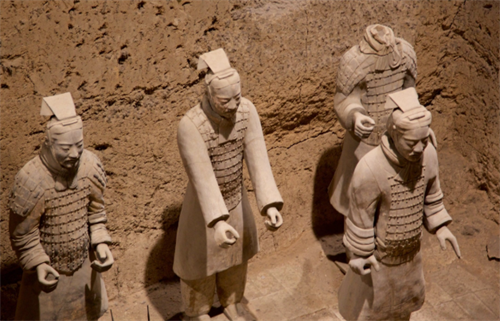
The Terracotta Army was discovered in 1974 and dates back over 2,200 years to the reign of China’s first emperor, Qin Shi Huang. Built to guard him in the afterlife, the site includes thousands of life-sized soldiers, horses, and chariots arranged in battle formation. For adults, it is a monumental archaeological achievement; for children, it is often their first encounter with history on a human scale.
What makes the Terracotta Army particularly suitable for families is its visual immediacy. Unlike museums filled with text panels and glass cases, the pits offer open sightlines and dramatic perspectives. Children don’t need deep historical knowledge to engage—they instinctively connect with faces, armor, and posture. From a family travel standpoint, this reduces cognitive overload and increases attention span, a key factor when traveling with younger visitors (UNESCO, 2016).
Pre-Trip Preparations: Planning Smart Before You Go
-Choosing the Best Time to Visit With Children:
Timing is the single most important factor for crowd avoidance. Peak congestion typically occurs between 10:00 a.m. and 2:00 p.m., when tour buses arrive in waves. Families who arrive early benefit from quieter viewing spaces and calmer children.
From experience, the best approach is to arrive at opening time or after 3:30 p.m. Early mornings allow for unrushed exploration, while late afternoons often see thinning crowds and softer light for photography. Seasonal considerations also matter: spring and autumn offer the most comfortable temperatures, while summer heat can drain children’s energy quickly (China National Tourism Administration, 2022).
-Transportation and Budget Planning:
Reaching the Terracotta Army from central Xi’an takes approximately one hour. Family-friendly options include taxis, ride-hailing services, and organized shuttle buses. Public transport is affordable but involves transfers that may tire younger children.
-Budget considerations typically include:
Entrance tickets;
Transportation;
Optional audio guides or child-focused tours;
Light meals or snacks near the site;
Overall, the site offers strong educational value relative to cost, making it a worthwhile inclusion for family itineraries (Shaanxi History Museum Research Group, 2020).
Core Experience: Exploring the Terracotta Army Without Overwhelm
-A Fun Q&A Approach That Keeps Children Engaged:
Rather than explaining everything upfront, I recommend turning the visit into a shared discovery. Asking open-ended questions encourages children to observe details and form their own interpretations. Questions like “Can you find two soldiers that look alike?” or “Why do you think some soldiers are taller?” naturally lead into discussions about craftsmanship, hierarchy, and individuality.
This method aligns with experiential learning principles, allowing children to absorb historical concepts without feeling lectured (Anderson, 2014). Parents often find that children remember far more when they feel like explorers rather than passive listeners.
-Route Planning Inside the Museum to Save Time and Energy:
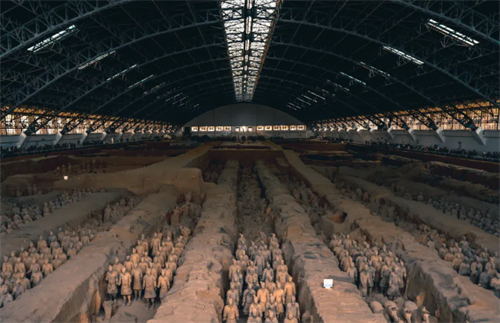
Most visitors rush directly into Pit 1, the largest and most crowded area. Families can benefit from reversing this instinct. Starting with Pit 3, the smallest and least crowded, allows children to acclimate before encountering the main spectacle. Moving next to Pit 2, which features archers and cavalry, introduces variation and visual interest. Ending with Pit 1 ensures that children see the most impressive scene once their understanding has developed.
This route reduces bottlenecks and prevents early fatigue. It also mirrors narrative escalation—starting small and building toward awe.
-Best Viewing and Photo Opportunities for Families:
For photography, positioning matters more than equipment. In Pit 1, standing near the elevated walkways at the far end offers a wide, unobstructed view that captures the scale without crowd interference. For children, eye-level photos taken near individual figures in Pit 2 often feel more personal and memorable.
Late afternoon light filtering through the hall windows creates softer contrasts, making both photos and viewing more comfortable. Always respect photography guidelines and avoid flash usage to preserve artifacts (UNESCO, 2016).
Food Recommendations: Eating Comfortably Around the Site
-What to Eat and When to Avoid Rush Hours
Food options near the Terracotta Army range from simple noodle shops to family-style restaurants. For families, the goal is predictability and comfort rather than culinary exploration. Eating before or after peak lunch hours reduces wait times and stress.
Children often respond well to familiar flavors such as hand-pulled noodles, dumplings, or rice dishes. Sharing plates encourages slower pacing and keeps energy levels stable.
-Practical Eating Tips for Families
Carrying light snacks and water is advisable, especially during warmer months. Sitting down for a short rest after eating allows children to reset before continuing exploration. In my experience, this pause often prevents late-visit meltdowns more effectively than rushing to finish the tour.
Safety Tips and Responsible Visiting:
-Crowd and Movement Safety
Although the site is well-managed, crowds can still pose challenges. Parents should establish clear meeting points and ensure children understand to stay close. Comfortable footwear is essential, as walking distances are longer than they appear.
Strollers are permitted in some areas but may be cumbersome during busy hours. Baby carriers often offer greater flexibility.
-Cultural Respect and Environmental Awareness
Teaching children to respect quiet zones and follow museum rules reinforces positive travel behavior. Avoid touching artifacts or barriers, and remind children that preservation allows future generations to learn from the site (Zhang, 2018).
Quick Reminder List for Families:
Before You Go:
Check official ticketing and opening hours;
Choose early morning or late afternoon entry;
During the Visit:
Start with smaller pits before Pit 1;
Use questions to guide children’s attention;
Food and Comfort:
Eat outside peak lunch hours;
Carry snacks and water
Safety and Respect:
Stay aware of crowds;
Follow museum guidelines;
Reminder: Information may change. Verify details on official websites before departure.
The Terracotta Army is often described as a must-see attraction, but for families, it can be much more than a checklist item. When approached with patience, curiosity, and thoughtful planning, it becomes a shared journey into history—one where children learn not just about ancient China, but about observation, respect, and storytelling.
What stays with families long after the visit isn’t just the scale of the soldiers, but the conversations sparked along the way. Questions asked, discoveries made, and quiet moments of awe create memories that outlast photographs. For me, that is the true value of visiting the Terracotta Army with children: not avoiding crowds for comfort alone, but creating space for wonder to emerge.
References:
[1]Anderson, B. (2014). Experiential learning and family tourism. Routledge.
[2]China National Tourism Administration. (2022). Annual tourism statistics and visitor flow management. Beijing.
[3]Shaanxi History Museum Research Group. (2020). Archaeology and interpretation of the Qin Terracotta Army. Xi’an University Press.
[4]UNESCO. (2016). The Mausoleum of the First Qin Emperor. World Heritage List.
[5]Zhang, Q. (2018). Cultural heritage preservation and visitor behavior in China. Journal of Heritage Tourism, 13(4), 312–326.
Recommended for you: