


San Miquel Festival Barcelona with Kids: A Practical Guide to Giants, Crowds & Local Tips
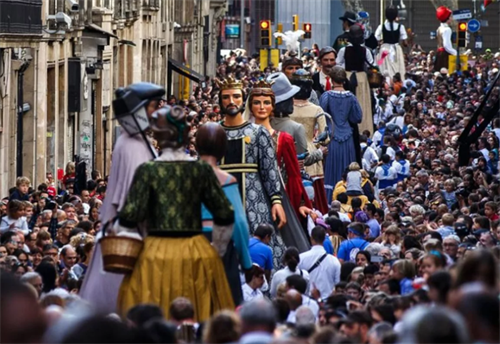
Barcelona does not hide its traditions behind museum glass. It carries them into the streets, places them gently into the hands of children, and invites the entire city—locals and visitors alike—to slow down and watch. Among all of Barcelona’s celebrations, San Miquel Festival (La Mercè) is the one that best reflects this spirit.
I’ve experienced San Miquel both as a traveler and alongside local families, and what strikes me every time is how little of it feels staged for tourists. The giant parades and human towers are not performances designed to impress; they are rituals meant to be shared. That makes this festival uniquely rewarding for families traveling with children—if you approach it with the right expectations and planning.
Important reminder: Festival schedules, routes, and access regulations may change from year to year. Always verify the latest details on the official Barcelona city website before departure.
Planning Your Visit: Key Considerations
San Miquel usually takes place in late September, spanning several days and dozens of neighborhoods. Nearly all of its most meaningful events—the giant parade (Gegants), human tower building (Castellers), traditional dances, and community performances—are free and open to the public. That accessibility is wonderful, but it also means that planning matters more than tickets.
One of the biggest mistakes families make is assuming San Miquel functions like a single centralized festival. In reality, it moves across the city in rhythms. Mornings and early afternoons tend to be calmer and more family-oriented, while evenings attract larger crowds, louder concerts, and tighter spaces. From years of observation, families with children consistently have better experiences when they treat each day as having one core goal, rather than trying to see everything.
Accommodation choice plays a surprisingly large role in how enjoyable the festival feels. Staying directly inside the Gothic Quarter may sound convenient, but the narrow streets amplify noise late into the night. I generally recommend choosing accommodation within a 10–15 minute walk of major festival zones rather than directly on top of them. Neighborhoods such as El Born, parts of Eixample near Plaça de Catalunya, and Sant Antoni strike an excellent balance between access and rest.
Transportation during San Miquel requires a slight mindset shift. Barcelona’s metro is efficient, but festival crowds can overwhelm central stations after major events. Walking often becomes the fastest option within the old city, especially with children. The single most effective time-saving strategy is what locals instinctively do: arrive early, enjoy the event, and leave sideways. Instead of following the crowd in reverse, step into side streets or perpendicular routes. This alone can save families half an hour or more and avoid stressful bottlenecks.
From a budgeting perspective, San Miquel is one of Barcelona’s most cost-effective cultural experiences. Core events are free, public transport costs are predictable, and food expenses remain reasonable if you plan meal timing wisely. Compared with ticketed attractions or theme parks, the festival offers an unusually high return in cultural depth per euro spent.
The Core Experience: Giants and Human Towers, Seen the Right Way
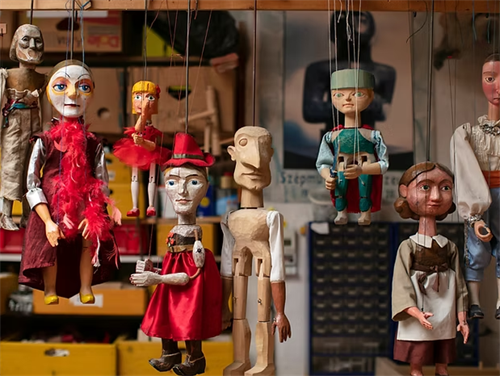
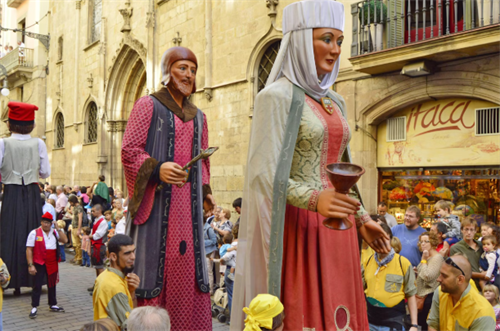
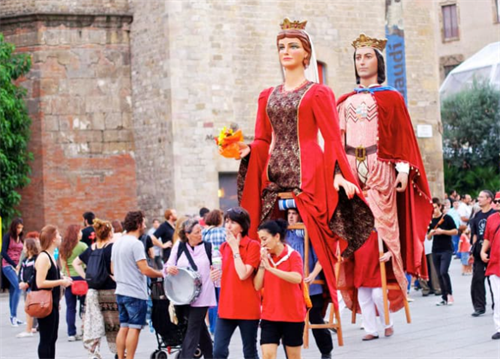
For children, the moment the Gegants appear is often when the festival becomes real. These towering figures—crafted from papier-mâché and carried by skilled performers—represent historical characters, legends, and local identities. To a child, however, they are simply giants walking through the city, bending slightly as they turn corners and pausing as if to acknowledge their audience.
The key to enjoying the giant parade with kids is positioning, not proximity. Standing directly in the center of a main square may seem ideal, but side streets and intersections often provide better visibility, more breathing room, and a calmer atmosphere. Giants tend to slow down as they turn or regroup, creating moments where children can truly see their faces rather than just their backs.
From a route-planning perspective, there is a simple but powerful insight that transforms the experience: you can often see the same parade more than once without chasing it. Barcelona’s grid allows you to move diagonally while the giants follow longer ceremonial routes. By watching the parade at one point, walking ahead through parallel streets, and rejoining near its destination, families can enjoy multiple viewing moments without rushing or fatigue.
The emotional heart of San Miquel, however, belongs to the Castellers [2]. Watching human towers rise is not about height alone; it is about trust, patience, and collective responsibility. Before a tower begins, you’ll notice how the crowd naturally quiets. Helmets are carefully placed on the youngest climbers. The base tightens, shoulders lock, and the entire square seems to breathe together.
For families, the best way to experience this is not by pushing toward the center, but by choosing slightly elevated edges of plazas—steps, raised corners, or open sightlines where children can see the full structure form. These viewpoints reduce crowd pressure while offering a clearer understanding of how the tower is built layer by layer.
When it comes to photography, restraint pays off. The most meaningful images are rarely close-ups taken in a rush. Wide shots that include the crowd, the surrounding buildings, and children’s reactions tell a fuller story. I often recommend watching the tower rise first, without a camera. The moment deserves your attention. Photographs taken afterward tend to be better because they’re calmer and more intentional.
Food Recommendations: Eating Well Without Disrupting the Day
Food during San Miquel is less about chasing the best restaurant and more about timing and flexibility. Many families struggle because they follow local dinner hours, only to encounter long lines and tired children. Eating earlier—between 6:00 and 7:00 p.m.—often transforms the experience.
Catalan cuisine is naturally family-friendly. Dishes like pa amb tomàquet, croquetes, tortilla española, and simple grilled sausages are familiar in flavor, easy to share, and widely available. During festivals, bakeries and casual cafés often outperform sit-down restaurants. They offer faster service, flexible seating, and the freedom to adapt if children need a break.
One personal tip I always share: don’t underestimate the value of a quiet bakery stop in the afternoon. A small pastry and a place to sit for ten minutes can reset everyone’s mood before the next event.
Safety Tips and Responsible Festival Behavior
San Miquel is joyful, but it is still a large public event. Safety begins with awareness rather than anxiety. Holding hands in dense crowds, choosing clear meeting points, and teaching children to stay still if separated are simple practices that go a long way.
Personal belongings should be secured, but there is no need for fear-based behavior. Cross-body bags, zipped pockets, and minimal valuables are sufficient. More important is modeling respectful participation. Staying silent during human tower building, applauding at appropriate moments, and avoiding blocking performers for photos helps children understand that they are guests in a living tradition, not just spectators [4].
Teaching children why people behave a certain way during the festival—why silence matters, why patience is valued—turns safety and etiquette into meaningful lessons rather than restrictions.
Quick Reminder List:
Before You Go:
Check official festival schedules.
Plan one major event per day.
During the Festival:
Arrive early, leave sideways.
Choose comfort over perfect photos.
Food and Rest:
Eat earlier than locals.
Carry water and light snacks.
Safety and Etiquette:
Stay aware and calm.
Respect performers and locals.
Reminder: Festival details, routes, and schedules may change. Always verify information on the official Barcelona city website before departure.
San Miquel Festival is not designed to overwhelm you. It invites you to slow down, observe, and participate in a city-wide conversation about trust and cooperation. For children, it offers something rare in modern travel: the chance to see adults working together quietly, carefully, and without spectacle for its own sake.
Each time I attend, I leave reminded that the best travel memories aren’t built from packed itineraries. They come from moments when a child looks up at a giant, or watches a human tower rise, and understands—without being told—that they are witnessing something meaningful.
References:
[1] Ajuntament de Barcelona. (2024). La Mercè Festival: Official program and cultural traditions. Barcelona City Council.
[2] Castellers de Barcelona. (2023). Structure, safety, and cultural significance of human towers. Castellers de Barcelona Association.
[3] Richards, G. (2018). Cultural tourism: A review of recent research and trends. Journal of Hospitality and Tourism Management, 36, 12–21.
[4] UNESCO. (2010). Human towers (Castells) inscribed on the Representative List of the Intangible Cultural Heritage of Humanity. UNESCO.
[5] World Tourism Organization. (2019). Sustainable tourism and community-based cultural events. UNWTO Publications.
Recommended for you: