


Beyond the Carnival in Rio de Janeiro: Samba School Experience, Football Culture, and Copacabana Beach
Rio de Janeiro is often envisioned through the lens of golden sands, swaying palms, and sun-drenched beaches. Yet, this vibrant city offers so much more than Copacabana and Ipanema. Beyond the shoreline lies a rich cultural landscape that blends history, music, sports, gastronomy, and nature. From the panoramic views atop Sugarloaf Mountain and the iconic Christ the Redeemer, to the artistic corners of Santa Teresa and lush trails of Tijuca National Park, Rio reveals layers of Brazilian identity that families can explore together (Ferreira, 2025).Experiencing Rio beyond its beaches allows families to witness local life authentically, enjoy quieter spaces away from crowds, and immerse in cultural traditions.
Immersing in Rio’s Samba Culture:
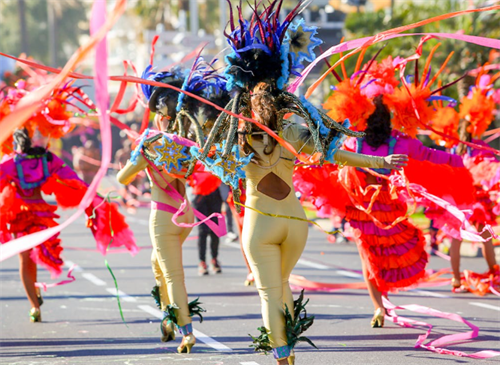
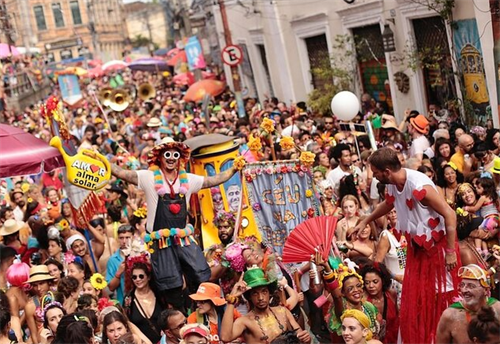
Samba is the heartbeat of Rio, shaping its Carnival and daily rhythms alike. Families can experience this lively tradition at local samba schools, which host open rehearsals in their quadras — large halls where community members practice for Carnival parades (BBC Travel, 2025). Schools like Salgueiro, Mangueira, and Unidos da Tijuca invite visitors to watch performances, participate in simple percussion exercises, or try basic dance steps under the guidance of friendly instructors. These interactions teach children coordination, rhythm, and cultural history while ensuring safety and inclusivity.
For a more immersive experience, venues such as Baródromo and Cacique de Ramos host samba sessions suitable for all ages, offering a chance to enjoy traditional rhythms in a family-friendly environment. Pedra do Sal, recognized as the birthplace of samba, provides an open-air setting where families can witness history through music, learn about Afro-Brazilian heritage, and enjoy spontaneous performances that bring the city’s vibrant past to life. Street rehearsals in neighborhoods like Andaraí and Pilares allow parents and children to feel the energy of samba up close without the pressure of formal performances.
For older children and teens with interest in dance, programs such as the Brazil Samba Congress provide workshops in various samba styles, from melodic samba to fast-paced samba partido-alto. These classes cultivate stamina, coordination, and creative expression while fostering a deep appreciation of Brazilian music.
Exploring Rio’s Football Culture
Football is integral to Carioca identity, and no visit to Rio is complete without a family trip to Maracanã Stadium. Tours of this legendary stadium offer behind-the-scenes access to locker rooms, press areas, and VIP sections, complemented by engaging storytelling about World Cup matches and iconic players (TravelTips360, 2025). Children often find inspiration in informal workshops held in nearby parks or stadium grounds, where they can learn basic skills, play mini-games, and understand the collaborative spirit behind football.
Football culture in Rio extends into neighborhoods, where local clubs and parks offer daily opportunities for families to interact with locals and witness the city’s passion for the sport firsthand. By participating in these experiences, children not only enjoy recreational activity but also gain a sense of teamwork, cultural pride, and respect for local tradition

Beyond the Beaches: Rio’s Urban and Natural Gems
While beaches often dominate Rio’s image, exploring its urban and natural gems reveals layers of culture and history. Santa Teresa, a bohemian neighborhood, invites families to wander winding cobblestone streets, ride the iconic yellow tram (bondinho), and explore artisan workshops. Parque das Ruínas provides panoramic views of downtown Rio, while the Escadaria Selarón captivates with over 2,000 colorful tiles collected from around the world, symbolizing the city’s multicultural spirit (Ferreira, 2025).
Parque Lage, nestled at the foot of Corcovado Mountain, blends tropical gardens, forest trails, and a 19th-century mansion. Its café and open spaces allow families to enjoy brunch, art exploration, or leisurely walks. For breathtaking cityscapes, Christ the Redeemer and Sugarloaf Mountain offer spectacular viewpoints, while Tijuca National Park — the world’s largest urban rainforest — presents safe, family-friendly hikes, waterfalls, and opportunities to spot native wildlife.
For families seeking tranquility after the bustling city, Ilha Grande offers a vehicle-free escape with pristine beaches, Atlantic rainforest, and rich biodiversity. Children can encounter howler monkeys, sloths, and broad-snouted caimans, while parents relax in a protected, peaceful environment.
Copacabana, Barra da Tijuca & Family Beach Life:
Copacabana Beach, though crowded and lively during Carnival, is an immersive spectacle of local life. Families can enjoy observing street performers, sampling fresh coconuts, açaí bowls, or pastéis, and engaging in playful beach games. Children are captivated by the spontaneous parades of vendors and the colorful diversity of beachgoers, turning a simple visit into a sociocultural observation experience.
For quieter experiences, Barra da Tijuca’s 18-kilometer stretch of sand offers calm waters ideal for surfing, paddleboarding, or bodyboarding. Smaller beach bars provide live music and refreshments in a safer, family-oriented atmosphere. Parents should ensure lifeguard supervision, hydration, sun protection, and appropriate timing for younger children to maximize comfort and safety.
Culinary Experiences for Families:
Food is a gateway to culture in Rio. Street vendors offer approachable options for children, such as pastéis, tapioca crepes, and açaí bowls, which are both nutritious and fun to eat. For more substantial meals, traditional dishes like feijoada, moqueca, and pão de queijo introduce children to Brazilian flavors without overwhelming unfamiliar tastes.
Markets such as Feira de São Cristóvão provide a multisensory experience, combining music, crafts, and culinary delights, while local botequins offer casual, authentic dining settings. Families can sample regional fruits such as mango, papaya, and cupuaçu, which not only support hydration but also introduce children to tropical produce in a playful, hands-on manner (Ferreira, 2025).
Cultural and Historical Tours:
Downtown Rio is rich in history and offers guided walking tours that are family-friendly. Highlights include Praça XV, the Imperial Palace, and the Metropolitan Cathedral, each narrating chapters of Brazil’s colonial and modern history. Engaging guides often incorporate storytelling and interactive elements, helping children connect with the past. Responsible favela tours also provide cultural insights into local communities, art projects, and daily life, offering a holistic understanding of Rio beyond tourist stereotypes.
Museums such as Museu do Amanhã, Museu de Arte do Rio, and the National History Museum offer engaging exhibitions blending science, art, and social history. Families benefit from interactive displays, multimedia experiences, and child-friendly programming that make learning about Rio’s intellectual and cultural heritage enjoyable and memorable (Ferreira, 2025).
Planning Your Rio Family Trip
A suggested three-day itinerary balances cultural immersion, nature exploration, and relaxation:
Day 1: Morning in Santa Teresa and Parque das Ruínas; afternoon at Escadaria Selarón and Lapa.
Day 2: Morning at Museu do Amanhã; afternoon exploring food markets and tasting local specialties.
Day 3: Morning hike in Tijuca National Park; afternoon football experience at Maracanã Stadium.
This itinerary encourages families to engage actively with Rio’s culture while maintaining a relaxed pace suitable for children.
While Rio de Janeiro’s beaches are iconic, the city’s heart lies in its vibrant cultural rhythms, football enthusiasm, lush natural spaces, and culinary traditions. Families can connect with the city meaningfully by exploring samba schools, strolling artistic neighborhoods, hiking in urban rainforests, and tasting local flavors. By venturing beyond the sand, children gain experiential learning, parents discover authentic culture, and the whole family shares memories that go far beyond typical tourist snapshots.
Whether dancing at a samba school, cheering in a stadium, or savoring tropical fruits on a quiet beach, Rio offers endless opportunities for immersive family experiences. Start planning your journey today and embrace the city’s rich layers with curiosity, safety, and joy.
References:
[1]BBC Travel. (2025). A samba queen’s guide to Rio de Janeiro. Retrieved from https://www.bbc.com/travel
[2]Ferreira, L. (2025). How to Experience Rio de Janeiro Beyond the Beaches. Travel Brazil Selection.
[3]TravelTips360. (2025). Maracanã Stadium: A family-friendly guide. Retrieved from https://www.traveltips360.com
Recommended for you: