


The Egyptian Museum with Kids: Our Treasure Hunt Guide to Pharaohs & Mummies
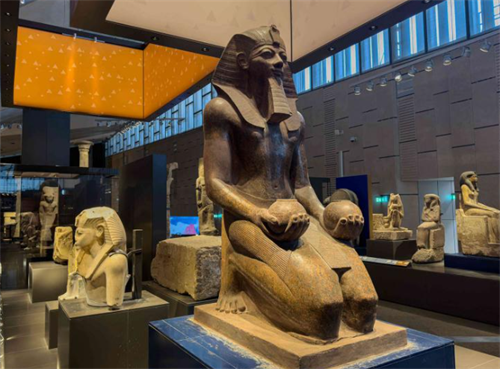
My first attempt at taking a wide-eyed, seven-year-old relative to the Egyptian Museum in Cairo was an unmitigated disaster. We lasted ten minutes. The grandeur of the place—the towering statues looming in the dim light, the sheer density of history—didn’t awe him; it overwhelmed him. He tugged my sleeve and whispered, “Can we go see the pyramids instead? This feels like a haunted house.”
That moment was my turning point. I had presented one of humanity’s most dazzling narrative treasures as a musty, confusing warehouse. The problem wasn’t the museum, home to over 160,000 artifacts from prehistory to the Greco-Roman period. The problem was my key. I had tried to unlock it with facts and dates, when what I needed was magic.
Years later, armed with a different approach, I returned with another young explorer. We stayed for two enthralling hours, leaving with him chattering about chariots and scarab beetles. The secret? We weren’t there to “see a museum.” We were on a mission to decode a secret world.
Consider this guide your master key. It’s a strategic blueprint to transform potential overwhelm into engaged wonder, turning ancient stone and gold into a living, breathless adventure for the whole family.
Part 1: Mission Prep – Building Anticipation, Not An Itinerary
The victory is won before you cross the threshold. Your goal is to build a framework of exciting stories, not a syllabus.
1.1 Storytime: The "Pharaoh Programming"
The Movie Trilogy Method: Watch in this order: 1) The Prince of Egypt (for emotional landscape and visuals), 2) Carefully selected, non-scary scenes from The Mummy (1999) for a sense of adventure and mystery, and 3) Clips from documentaries like Secrets of Tutankhamun to anchor it in real discovery.
The Core Character Pack: Introduce three "VIPs" (Very Important Pharaohs):
Tutankhamun: The Boy King. Frame him as the ultimate treasure chest. "Imagine everything a young king loved—his chariots, board games, even his sandals—sealed away for 3,000 years and found looking brand new."
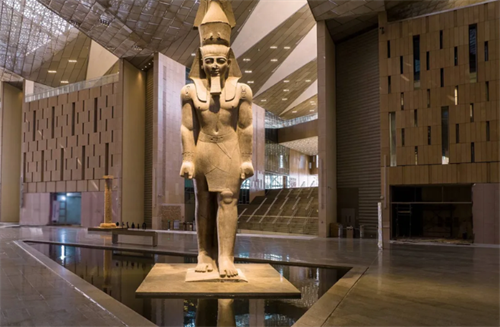
Ramesses II: The Superhero Pharaoh. "He ruled for 67 years, built monuments everywhere, and fought in epic battles. He was so powerful his mummy still has his hair!"
The Mummy-Makers: De-mystify the process. Explain it as an ancient, sacred science—a 70-day "eternity technology" project to preserve the body for the soul's journey.
1.2 Tactical Planning: Outsmarting Crowds & Heat
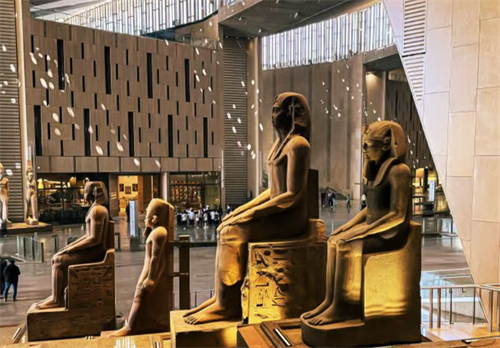
The classic museum on Tahrir Square is a labyrinth of wonders but can be challenging. Your strategy is your superpower.
Golden Hour: Avoid peak tour group times (Monday & Saturday mornings). Aim for weekday afternoons after 1:30 PM, when morning crowds dissipate. Friday mornings (for non-Muslim travelers) are also surprisingly quiet.
The Reverse Route: This is crucial. Most large groups storm the ground floor first. Your move? Go straight to the first floor (American second floor) to the Tutankhamun Galleries. You’ll enjoy the star attraction in relative peace.
Tickets & Transport: Purchase general entry tickets on site. Decide in advance if you’ll visit the Royal Mummy Room (an extra ticket); it’s profound but requires maturity. Use Uber or Careem for a hassle-free drop-off at "Midan El-Tahrir." Always double-check opening hours and fees on the official Ministry of Tourism & Antiquities website before your visit (Ministry of Tourism and Antiquities, 2023).
1.3 The Explorer's Packing List
Visual Aids: Print “treasure hunt” cards with images of key items: Tut’s mask, Narmer Palette, the Seated Scribe.
Sound Management: Kid-sized noise-canceling headphones are a game-changer for managing echo and crowd noise.
Sustenance: Pack water and snacks like dates (ancient Egyptian food!) and nut bars.
Footwear: This is non-negotiable. Wear the most comfortable, broken-in walking shoes you own.
Part 2: The Two-Hour Narrative Adventure
You are the expedition leader. Follow this story-driven path.
Phase 1 (Minutes 0-40): Start with the Climax – The Tutankhamun Galleries
Execute the reverse route. Head upstairs, find the galleries, and immerse.
Build-up: Explore the antechambers—the chariots, the beds. "These were his real things."
The Main Event: Before entering the inner treasury, build suspense. Inside, guide your child to view the Gold Mask from a side angle to avoid glare and appreciate its profile. Focus on a few key items: the nested coffins, the scarab pectoral, the golden sandals. Authoritative works like Hawass’s (2005) research underscore how these objects reflect a personalized vision of the afterlife.
Phase 2 (Minutes 40-65): A Lighter Interlude – Animals & Daily Life
Visit the Animal Mummies exhibit for a fascinating, child-friendly topic. Then, find the noblemen’s tomb paintings nearby and play “I Spy” ancient Egyptian life (fishing, dancing, farming).
Phase 3 (Minutes 65-110): Ground Floor Highlights – The Greatest Hits
Return downstairs to tackle the core collection with fresh eyes.
The Narmer Palette: Find this early dynastic relic. Point out the king smiting his enemy.
The Seated Scribe: His inlaid crystal eyes are mesmerizing. "Literacy was power. This man held the secrets of the written word."
The Statue of Khafre: Diorite stone, perfectly polished. Discuss permanence and power.
Phase 4 (Optional): The Royal Mummy Room
If you enter, set a tone of solemn respect. "We are in the presence of great kings and queens." The mummy of Ramesses II is a profound sight, connecting directly to the "superhero" story you told earlier. Scholars like Ikram (2003) detail the advanced techniques that preserved such remains, turning bodies into lasting artifacts.
Part 3: Resupply Points – Fuel for Explorers
The museum café is for emergency hydration only. For proper refueling:
For Authentic & Quick: Abou Tarek, a 10-15 minute walk, serves only koshari—a delicious, vegetarian mix of pasta, rice, lentils, and crispy onions. It’s fun, safe, and fast.
For Views & Composure: The Cairo Tower rotating restaurant offers a 360-degree panorama. The buffet is average, but the perspective—locating the museum and the pyramids from above—is a brilliant recap and a calm, air-conditioned retreat.
For Familiar Comfort: The Nile City Mall food court (a short ride away) has reliable international and local chains for a predictable, easy meal.
Part 4: Civilized Exploration & Pitfall Avoidance
The "Explorer's Code": Establish rules positively. "We use our museum voices (whispers) so everyone can hear the past." "We look with laser eyes, not our hands, to protect the treasures."
Flash Photography Ban: Explain that camera flashes are like tiny sunbeams that slowly bleach history away.
Managing "Helpers": Politely but firmly say "La, shukran" (No, thank you) to unofficial guides who may approach.
The 45-Minute Rule: Proactively take a bench break every 45-50 minutes for water and snack time. Prevent fatigue before it starts.
As you emerge back into Cairo’s vibrant chaos, ask your young explorer one question: “Of all the treasures we saw, which one would you want to tell your friends about first?”Their answer might surprise you. It likely won’t be the most valuable item, but the one that sparked a personal connection—a tiny ushabti figurine, a board game, or those knowing eyes of the Scribe. That connection is the true prize.
Quick-Draw Mission Checklist:
Strategy: Afternoon visit. First floor first (Tutankhamun).
Tickets: General entry + optional Mummy Room. Verify hours online first.
Stories: Pre-tell Tutankhamun, Ramesses II, and mummification as tech.
Gear: Treasure cards, comfort shoes, water, headphones.
Photos: Get a side-angle shot of the gold mask.
Eat: Koshari at Abou Tarek, or regroup at Cairo Tower.
Manners: Whisper, no flash, hands behind back, polite "La, shukran."
Mindset: You are story-unlockers, not checklist-tickers.
Disclaimer:
This article is based on the author's personal experience. The opening hours of the museum, ticket prices, etc. may change. Please check the official website before your trip to confirm.
References:
[1]Hawass, Z. (2005). Tutankhamun and the golden age of the pharaohs. National Geographic Society.
[2]Ikram, S. (2003). Death and burial in ancient Egypt. Longman.
[3]Ministry of Tourism and Antiquities. (2023). The Egyptian Museum in Cairo. Retrieved from https://egymonuments.com/museums/egyptian-museum
[4]Riggs, C. (2014). Unwrapping ancient Egypt. Bloomsbury Academic.
[5]Tyldesley, J. (2012). Tutankhamen: The search for an Egyptian king. Basic Books.
Recommended for you: