


Mexico's Day of the Dead: How to Explain This Joyful Celebration of Life to Your Kids
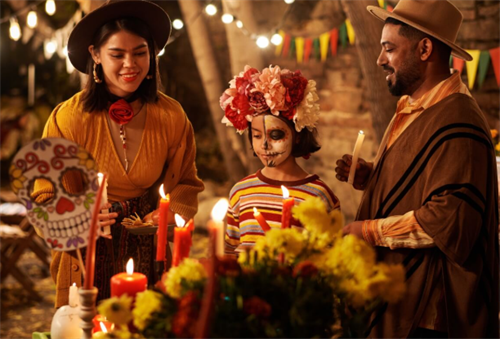
As someone who has wandered through the confetti-filled streets of Mexico City and stood in the candlelit cemeteries of Oaxaca, the Day of the Dead (Día de los Muertos) is nothing like the spooky Halloween tales we might imagine. It took my first visit with my own family to truly understand. I remember my daughter, wide-eyed, clutching my hand not in fear, but in wonder, as a parade of smiling skeletons danced past. This isn’t a holiday about mourning loss; it’s a vibrant, raucous, and profoundly beautiful family reunion—one where the guests of honor just happen to be spirits. It’s a masterpiece of Mexican culture that flips our usual understanding of death on its head, teaching us and our children that love and memory are stronger than oblivion.
Understanding the Heart of the Fiesta: Three Keys for Little Hearts
Before you book a flight, let’s build a foundation your kids can grasp. The magic of this journey begins at your kitchen table.
-The “Homecoming,” Not “Farewell.” Explain that in Mexico, many believe the souls of loved ones don’t vanish; they embark on a long journey. On November 1st and 2nd, the veil between worlds grows thin, and they are invited back for a visit. It’s not a sad goodbye, but a joyous “Welcome back! We’ve missed you!” Think of it as the most special, once-a-year family dinner, where we set a place for those who live in our hearts. This unique perspective is deeply rooted in a complex national history, where, as scholar Claudio Lomnitz explores, death has become a central figure in Mexico's cultural narrative and a lens for understanding life [1].
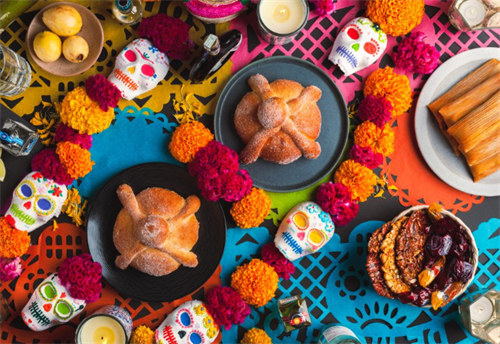
-The Ofrenda: A Love Letter in Objects. The altar, or ofrenda, is the centerpiece. It’s not a shrine of worship, but a welcoming table. Each item is a message. Guide your child through it: the flickering candles are beacons so the spirits don’t get lost; the bright marigold petals (cempasúchil) form a fragrant, sunlit path to our door; the photos and personal items say, “This is your home.” The water, food, and pan de muerto are offered because the journey is long, and they must be hungry! The playful sugar skulls (calaveras) remind us that life, even with its end, is sweet. These practices are living rituals that continuously evolve, with modern communities even creating digital ofrendas, showing how the tradition adapts while maintaining its core purpose of sustaining memory and community [5].
-The Party is the Point.The music, parades, and laughter might seem confusing for a remembrance. But that’s the key! The loud celebration is a way to say, “Our joy is so big, we know you can hear it!” It’s a defiant, colorful, and life-affirming roar in the face of sadness.
Pre-Trip Preparation: Weaving Your Family into the Story
The most meaningful trips are co-created. Turn the weeks before departure into a creative project.
Start a family “Memory Project.” Gather photos of departed family members or even beloved pets. Talk about their favorite jokes, foods, or songs. Let your child draw a picture for them. This creates a personal connection that will make the public ofrendas you see deeply resonant.
Choose Your Destination Wisely. The experience varies dramatically by location.
-Mexico City: For the spectacular, large-scale parade. Pro-Tip: The parade route is long and crowded. Instead of battling the busiest stretches, find a vantage point near the midpoint, like along Paseo de la Reforma near the Angel of Independence. The crowds are slightly thinner, and you can often find a ledge or step for your child to see over the heads in front. Critical Advice: The parade details and routes are updated annually, so you must consult the official Mexico City Ministry of Culture program in the weeks before your trip for accurate maps and times [2].
-Oaxaca (Oaxaca de Juárez): For the most authentic, community-centered traditions. Here, the ofrendas in homes and public squares are breathtakingly intricate. Pro-Tip: Skip the most famous cemeteries on the peak nights. Instead, visit smaller, neighborhood panteones on the evening of November 1st. The atmosphere is more intimate, less crowded, and often more welcoming to quiet, observant visitors. For a comprehensive list of community events and exhibitions, the annual guide from the Oaxaca State Tourism Secretariat is an indispensable resource [3].
-Michoacán (Island of Janitzio or Pueblo of Pátzcuaro): For a profoundly spiritual, candlelit spectacle over the lake. Be prepared for significant crowds and a more solemn, indigenous Purépecha tradition.
Book the Right Home Base. Choose a hotel or guesthouse known for creating its own ofrenda. Waking up each morning to see new elements added is a gentle, daily immersion. Look for family-run posadas in Oaxaca or centrally located hotels in Mexico City’s Roma or Condesa districts, which are walkable to many events.
The Core Experience: A Family Field Guide to Participation
Now you’re here. The air smells of marigolds and copal incense. Here’s how to navigate the beauty.
Creating Your Own Mini-Ofrenda:
You don’t need to be Mexican to participate respectfully. In your hotel room, create a small, personal ofrenda with your child. Use the photo or drawing you brought from home, a glass of water, a piece of fruit, and some marigolds from the market. This simple act transforms you from spectators to participants. It answers the “why” for your child in the most hands-on way possible.
Navigating the Cemetery Vigil:
Visiting a cemetery at night might sound daunting, but it’s the soul of the holiday. Go with a mindset of quiet observation.
-Arrive Early: Go just as dusk settles. You’ll see families arriving, tenderly cleaning graves, and arranging their offerings. This preparatory phase is often more moving than the later, more crowded time.
-Find Your Spot: Don’t wander aimlessly. Find a peripheral spot to sit or stand comfortably. Let the scene unfold before you. Point out to your child how families are chatting, sharing stories, and even picnicking—it’s a true visit.
-The Perfect Photograph: The iconic shot isn’t a close-up of a skull. It’s a wide-angle capture of
-the entire scene: the sea of candlelight, the orange flowers, the silhouettes of families huddled together. It tells the true story of warmth and communion. Always, always ask for permission before photographing people or their personal ofrendas on a grave.
Joining the Parade and Calaca Face Painting
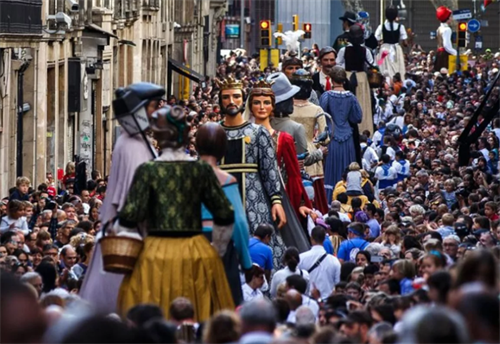
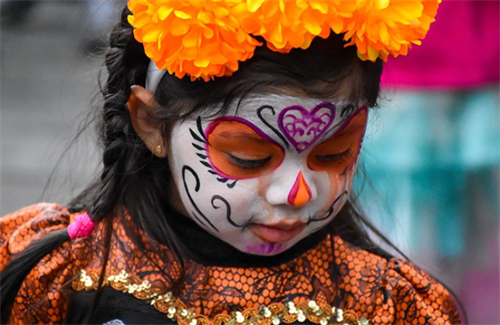
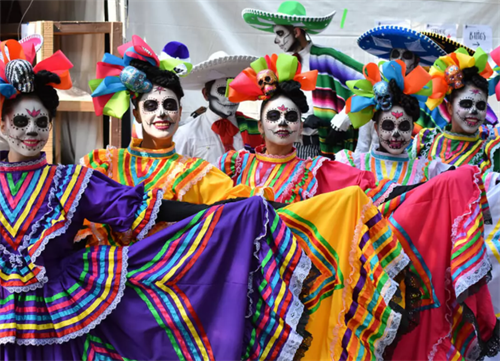
In Mexico City, the parade is a must-see. For kids, getting their faces painted like a joyful calaca (skeleton) is a rite of passage.
-Skip the Street Artists: The quality and hygiene of paints can be questionable. Instead, book a session at a reputable salon or cultural center ahead of time. Look for artists who use high-quality, hypoallergenic paints.
-Best Viewing Strategy: Use the city’s EcoBici bike-share system or the metro to get ahead of the parade route after it passes you. You can often watch it from a second, less crowded location. The most comfortable views are often from the elevated walkways or bridges along Reforma.
A Feast for the Ancestors: Tasting the Tradition
The food of the Day of the Dead is symbolic and delicious.
-Pan de Muerto: This sweet, orange blossom-scented bread is everywhere. The round shape represents the cycle of life, and the “bones” on top are a sweet nod to the departed. Let your child pick one with the prettiest design.
-Mole Negro: In Oaxaca, families often share this complex, rich sauce over chicken. Explain that serving a loved one’s favorite dish is a way of honoring them.
-Atole and Chocolate Caliente: These warm, comforting drinks are perfect for cool November nights. Visit a traditional market for the most authentic cup.
Pitfall Avoidance and Safety: A Parent’s Checklist
To ensure your trip is all joy and no stress, keep these tips in mind.
-Altitude Awareness: Mexico City is over 2,200 meters high. Take the first 24-48 hours easily. Stay hydrated, avoid heavy foods, and let the kids rest. Symptoms can affect anyone.
-Crowd Smart Tactics: The celebrations are extremely crowded. Dress everyone in bright colors so they’re easy to spot. Use a wearable ID bracelet for younger children with your phone number (using a local SIM card). Establish a clear, unmistakable meeting point at every location.
-Cultural Respect is Paramount: This is not a theme park. It is a sacred, family-oriented tradition. Maintain a respectful volume in cemeteries. Never sit on, lean against, or interfere with a grave or ofrenda. Your role is that of a humble and grateful guest.
-Verify, Verify, Verify: Event dates, parade routes, and public ofrenda locations change every year. Always double-check details against the official tourism websites [2, 3] in the weeks before your trip.
As the last marigold petals are swept away, you’ll find the real souvenir isn’t a sugar skull or a painted mask. It’s a shift in perspective, a new vocabulary for discussing life and love with your children. On our last night in Oaxaca, my daughter, without prompting, placed a marigold from our hotel’s ofrenda into her journal next to the picture she had drawn for her grandfather. “For the journey back,” she said.
That is the true magic of the Day of the Dead. It doesn’t just allow you to explain death to a child; it gives you the tools to celebrate life with them. It offers a brave, colorful, and deeply healthy way to remember that those we love are never truly gone as long as we tell their stories.
Quick Reference Checklist for Families:
Before You Go: Watch Coco together. Start a family memory project. Book face-painting in advance.
Packing Essentials: Brightly colored clothing for visibility. Comfortable walking shoes. Small first-aid kit. Refillable water bottles.
On the Ground: Create a mini-ofrenda in your room. Visit cemeteries at dusk. Use public transit strategically to navigate crowds.
Safety & Respect: Be altitude-aware. Use child ID bracelets. Observe quietly, never intrude. Always ask before photographing people.
Final Reminder: All event information is subject to change. Confirm details via official tourism channels [2, 3] before and during your trip.
References:
[1]Lomnitz, C. (2005). Death and the Idea of Mexico. Zone Books.
[2]Mexico City Ministry of Culture. (2023). Día de Muertos: Programa Oficial. Gobierno de la Ciudad de México. https://cultura.cdmx.gob.mx/
[3]Oaxaca State Tourism Secretariat. (2023). Guía para las Fiestas de Día de Muertos en Oaxaca. https://www.oaxaca.travel/
[4]UNESCO. (2008). Indigenous Festivity dedicated to the Dead. Intangible Cultural Heritage Lists. https://ich.unesco.org/
[5]Warden, P. (2021). Ritual, Community, and the Digital Ofrenda: Day of the Dead in the 21st Century. Journal of Festive Studies, 3(1), 125–149.
Recommended for you: