


A Comprehensive Guide to the Thai Water Festival for Families: Making Water Lamps with Children, Making Wishes, and Safety Tips
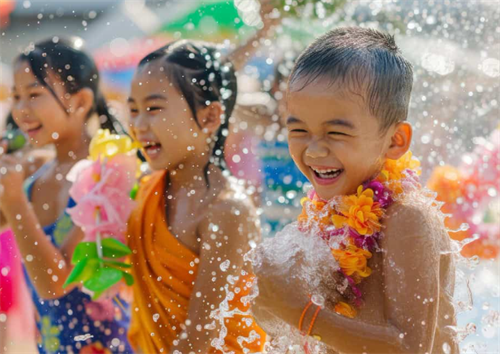
The first time I experienced the Thai Water Festival, or Loy Krathong, with my family, I had no clear expectation. I imagined the highlight would be the floating lamps shimmering across the river, but what truly stayed with us was the full experience: the process of crafting our own krathongs, carefully placing candles and flowers on the tiny boats, guiding the children to make thoughtful wishes, and witnessing the collective serenity as hundreds of lamps drifted across the water. There is something deeply peaceful about seeing children intuitively understand the symbolism of releasing their small lanterns—letting go of worries and sending their hopes into the night sky.
While Loy Krathong is often portrayed as a visual spectacle of lights and rivers, for families it offers a far richer and more meaningful experience. It is a festival that encourages mindfulness, patience, and gratitude. With proper planning, families can immerse themselves in every aspect of the festival—from making krathongs and releasing them safely to navigating riverfronts efficiently, sampling delicious festival foods, and capturing memorable photographs—all while maintaining a sense of calm and respect for local traditions.
Important reminder: Festival schedules, locations, and access regulations may change each year. It is recommended to verify details on official tourism or municipal websites before departure.
Understanding the Thai Water Festival Through a Family Lens:
The Thai Water Festival, commonly known as Loy Krathong, is celebrated throughout Thailand in late October or early November, coinciding with the full moon. Its origins lie in expressing gratitude to the water goddess, Phra Mae Khongkha, for providing sustenance and for washing away misfortunes. This symbolic act of letting go and making wishes resonates deeply with children, who are naturally drawn to rituals involving water, light, and shared participation. Unlike some high-energy festivals that may overwhelm young attendees, Loy Krathong is reflective and interactive, offering children the chance to engage with traditions hands-on, rather than merely observing them.
The festival allows families to participate in meaningful cultural practices. Children can craft their own water lamps, carefully arranging flowers and candles, and then release them into the river while making positive wishes. This reflective experience fosters mindfulness, encourages patience, and introduces children to the values of gratitude and respect for nature. Observing these small yet deliberate actions, children quickly grasp the deeper meaning behind the festival, often more intuitively than adults (Anderson, 2014). The tactile and visual engagement of the event provides parents an opportunity to discuss cultural values, environmental stewardship, and the importance of reflection in a gentle and experiential manner.

Pre-Trip Preparations: Planning Smart Before You Arrive
Choosing the right location is a crucial first step for families. While Loy Krathong is celebrated across Thailand, the experience varies widely depending on scale and setting. Bangkok offers grand riverfront celebrations and large temples, which are visually stunning but often crowded, creating challenges for families with young children. Chiang Mai combines the Water Festival with lantern releases during Yi Peng, providing a visually striking but slightly calmer experience. Smaller towns and local communities offer more intimate celebrations where children can interact with locals, craft krathongs, and release them in a calm environment. For families, these smaller, community-focused locations often provide a safer and more immersive cultural experience without overwhelming noise or congestion.
Timing and route planning are essential to fully enjoy the festival. Events generally take place in the evening, with peak activity occurring around sunset. Arriving early allows families to avoid dense crowds, complete krathong-making without rushing, and capture unobstructed photographs in the soft evening light. A practical strategy is to focus on one main river or canal area rather than trying to cover multiple locations, which can be tiring and confusing for children. Walking along designated paths or using circular routes minimizes backtracking, reducing fatigue and ensuring a smoother experience. For families considering transport options, walking is usually easiest for concentrated areas, boats offer unique perspectives but may be crowded, and public transportation works well if timed before peak congestion.
Budget planning is another key aspect. Participation in Loy Krathong is accessible even on modest budgets, with most expenses associated with materials for krathongs, small food purchases at stalls, and transportation. Even minimal spending offers significant emotional and educational value, providing children with hands-on cultural engagement and memorable experiences (World Tourism Organization, 2019).
Preparing children for the festival helps them feel comfortable and engaged. Explaining the meaning of the festival in age-appropriate terms, emphasizing gratitude and letting go of worries, and setting clear expectations about participation rather than competition makes the experience enjoyable and stress-free. Practical items such as lightweight clothing suitable for warm evenings, water-resistant bags for electronics, and small flashlights or reusable glow sticks can enhance comfort and safety.
“Festival schedules, routes, and regulations may change. Verify details on official tourism or municipal websites before departure.”
Core Experience: A Family-Friendly Water Festival, Step by Step
Crafting krathongs with children is central to the festival experience. Each lamp represents a small wish or the symbolic release of negativity. Families can choose flowers, leaves, or eco-friendly materials and decorate the krathong with candles, personal tokens, or drawings. Observing children take part in this process highlights the pride and sense of ownership they feel, which makes the subsequent release on the water far more meaningful. Allowing them to focus on crafting rather than rushing encourages mindfulness and ensures the activity is enjoyable and memorable.
The release of krathongs into the river provides an opportunity for reflection and collective participation. Encouraging children to make simple, positive wishes helps them understand the festival’s deeper purpose. Releasing lamps slightly before the peak of the crowd ensures a serene experience and produces beautiful photographic opportunities with calmer waters and soft evening lighting. Framing the release as an act of letting go rather than an outcome to be achieved creates a reflective, pressure-free environment for children.
Navigating riverfronts safely is essential. Families should maintain a few meters of distance from the water’s edge, utilize circular walking paths to avoid congestion, and identify quiet spots for children to pause and observe. Standing slightly away from the main launch zones often results in a more contemplative experience, allowing children to absorb the atmosphere without feeling overwhelmed by crowd energy.
Many festival locations also feature cultural performances alongside lamp releases. Choosing one or two performances to watch attentively, rather than attempting to see everything, prevents sensory overload and helps children connect with the rituals more meaningfully. Discussing what they notice encourages reflection and enhances their cultural understanding (Anderson, 2014).
Food Recommendations: Eating Comfortably During the Festival
Festival food is not merely sustenance—it is part of the cultural immersion. Children can learn to share food, observe local eating customs, and explore new flavors in a safe, hands-on way. Popular kid-friendly options include mild-flavored snacks like sticky rice, banana fritters, and mango desserts. Handheld items such as skewered grilled meats, sweet crepes, or fried snacks are easy for children to eat while moving around. Fresh coconut water and fruit juices provide hydration and a mild, refreshing taste suitable for young palates.
Timing meals strategically improves the experience. Eating slightly before peak activity avoids long lines and allows children to maintain energy. Opting for stalls or restaurants just off the main riverfront provides a calmer dining environment, while frequent, smaller snacks are preferable to large meals for sustained energy during the evening.
Safety Tips and Responsible Festival Participation:
Safety is paramount near water and crowded areas. Families should keep children within arm’s reach, teach them to stay in one location if separated, and utilize designated viewing areas. Being aware of environmental hazards such as mosquitoes and heat is also essential. Bringing water for hydration and choosing eco-friendly lamps helps reduce environmental impact while promoting a safer and more responsible festival experience.
Cultural respect is equally important. Avoid intrusive photography, observe sacred spaces and ceremonial customs, and model calm, respectful behavior for children. Demonstrating mindfulness and courtesy reinforces the festival’s cultural values and ensures a positive experience for everyone (UNESCO, 2016).
Quick Reminder List (Family-Friendly Summary)
-Before You Go: Check official festival information and explain the festival’s meaning to children.
-During the Festival: Arrive before sunset and focus on one main area.
-Food and Rest: Eat earlier than peak hours and carry water and light snacks.
-Safety and Etiquette: Stay aware near water and respect rituals, people, and the environment.
Reminder: Festival details may change. Always verify information on official tourism or municipal websites before departure.
The Thai Water Festival offers families far more than a visual spectacle. It provides a meaningful opportunity to pause, create, and reflect. Children learn patience through lamp-making, mindfulness through releasing their wishes, and respect through observing others. The memories of gently floating krathongs, the soft flicker of candlelight across calm waters, and the quiet pride on children’s faces remain long after the event concludes.
References:
[1]Anderson, B. (2014). Loy Krathong and Thai water rituals: Cultural meanings and family participation. Bangkok: Silpakorn University Press.
[2]UNESCO. (2016). Loy Krathong Festival in Thailand. Representative List of the Intangible Cultural Heritage of Humanity.
[3]World Tourism Organization. (2019). Cultural tourism and community-based events. UNWTO Publications.
[4]Ziegler, D. (2020). Family travel and cultural engagement in Southeast Asian festivals. Journal of Tourism and Cultural Studies, 18(2), 101–118.
[5]Chaiyasoot, P. (2018). Eco-friendly practices and sustainability in Thai water festivals. Thai Journal of Environmental Studies, 12(3), 45–60.
Recommended for you: