


Experience of Japanese Summer Festivals: The Complete Process of Dressing in Kimono, Catching Goldfish, and Watching Fireworks Show with Children
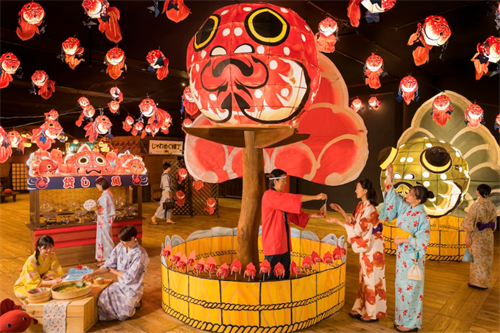
The first time I took children to a Japanese summer festival, I thought the highlight would be the fireworks. I was wrong. What stayed with them—and with me—were the smaller moments: the awkward pride of wearing a yukata for the first time, the intense concentration required to scoop a goldfish with paper-thin nets, and the quiet way a crowd of thousands somehow learned to move together without pushing.
Japanese summer festivals, or matsuri, are not designed as tourist spectacles. They are neighborhood celebrations rooted in rhythm, restraint, and shared space. That is exactly why they work so well for families. With thoughtful planning, they become one of the most rewarding cultural experiences you can share with children—rich in color and joy, but also gentle, orderly, and surprisingly educational.
Important reminder: Festival schedules, locations, and access regulations may change each year. It is recommended to verify details on official municipal or tourism websites before departure.
Why Japanese Summer Festivals Are Ideal for Families?
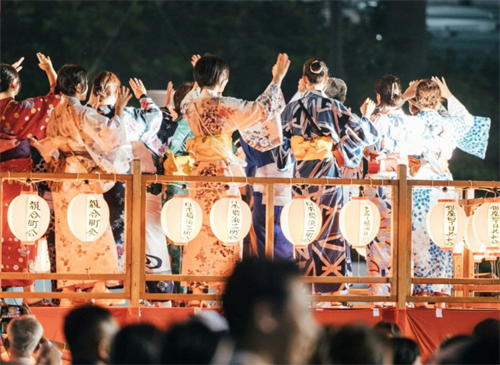
Japanese summer festivals take place from late June through August and vary widely by region. Some are internationally famous fireworks displays attracting hundreds of thousands of people, while others are small neighborhood gatherings centered around a local shrine. What they share is a focus on participation rather than performance.
For children, this is immediately engaging. Unlike theme parks or staged shows, festivals invite kids to walk, watch, taste, and try things at their own pace. They see adults modeling patience—lining up calmly, cleaning up after themselves, and respecting shared space. These quiet lessons often register more deeply than any explanation a parent might give.
What makes matsuri especially different from other family attractions is the absence of pressure. There is no single “must-see” moment. Instead, the experience unfolds organically through lantern-lit streets, rhythmic music, and small interactions at food stalls or game booths. From my experience, children respond to this openness with curiosity rather than overstimulation, especially when parents resist the urge to rush.
Pre-Trip Preparations: Planning Smart Before You Arrive
Choosing the right festival matters more than choosing the most famous one. Large-scale fireworks festivals in cities like Tokyo and Osaka are spectacular, but they can also involve long waits and dense crowds. Smaller local festivals—often advertised only in Japanese—tend to be more relaxed and family-friendly. Many travelers overlook these, yet they often offer the most authentic experiences (Japan National Tourism Organization [JNTO], 2023).
Transportation planning is critical during summer festivals. Trains run on schedule, but stations near major events become congested quickly after fireworks end. One of the most effective strategies I’ve learned is to arrive early, stay local, and leave gradually. Instead of hopping between neighborhoods, choose one area and explore it deeply. Walking short distances often saves time compared to navigating crowded platforms.
Budgeting for a festival day is refreshingly straightforward. There is usually no entrance fee. Costs typically include:
Yukata rental (if desired);
Festival food and games;
Transportation;
Families are often surprised by how affordable the day feels compared to other attractions. Even with small splurges on snacks or souvenirs, festivals offer high experiential value for modest spending (World Tourism Organization, 2019).
Preparation also means packing lightly. Japanese summers are hot and humid. Comfortable footwear, refillable water bottles, and small towels are essentials. Explaining basic customs to children beforehand—such as lining up and disposing of trash properly—helps them feel confident rather than corrected once they arrive.
Core Experience: A Child-Centered Festival Day, Step by Step
-Dressing in Yukata: Turning Tradition Into Play
Wearing a yukata—the lighter, summer version of a kimono—is often the moment children begin to feel part of the festival rather than observers. For families, renting is usually the most practical option. Rental shops often assist with fitting, which saves time and avoids frustration.
Comfort matters more than appearance. I always advise parents to ensure children can walk, sit, and use restrooms easily. Allowing kids to choose small accessories, like a fan or pouch, increases their sense of ownership. When children feel comfortable, they behave more confidently—and that confidence shows in photos.
-Festival Games: Catching Goldfish and Learning Patience
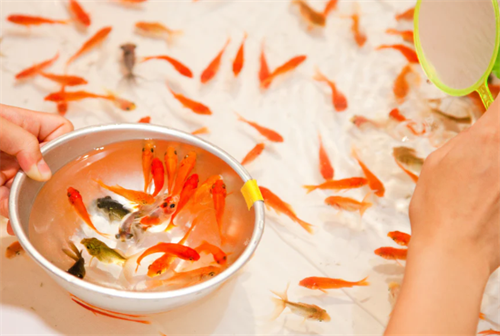
Goldfish scooping (kingyo sukui) is a staple of summer festivals. It looks simple but requires surprising focus. The paper scoop tears easily, teaching children patience and acceptance. Winning—or not winning—matters far less than the experience itself.
From watching countless children try, I’ve noticed that those who understand it’s a game of practice rather than success enjoy it most. Parents who frame it as “let’s see how it works” rather than “let’s win” set the tone for a relaxed experience.
Moving Through Festival Streets Without Stress:
Crowds are inevitable, but how you move through them makes all the difference. One effective approach is to walk in loops rather than retracing steps. This prevents bottlenecks and allows children to discover stalls naturally.
Rest spots are just as important as attractions. Shrines, quiet side streets, and riverbanks often provide space to pause. These moments of stillness are when children often reflect or ask questions—signals that the experience is settling in rather than overwhelming them.
Watching Fireworks: Choosing the Right Viewpoint
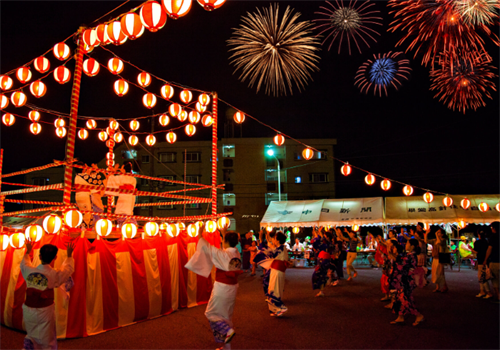
Fireworks (hanabi) are the climax of many summer festivals, but closer is not always better. Families often enjoy fireworks more from slightly farther viewpoints, such as riverbanks or parks away from main launch zones. These spots offer better airflow, clearer views of the full sky, and calmer exits.
From a photography perspective, distance improves composition. Wide shots that include reflections on water or silhouettes of trees often tell a richer story than close-up bursts alone. Leaving a few minutes before the final explosion can dramatically reduce exit time without diminishing the experience.
Food Recommendations: Eating Well During the Festival
Festival food is designed for sharing. Dishes like yakisoba, grilled corn, takoyaki, and shaved ice are simple, familiar, and easy to eat standing up. For children, the appeal lies as much in the experience as in the taste.
I recommend pacing food throughout the evening rather than planning a full meal. Small portions keep energy stable and allow kids to try new flavors without pressure. Eating slightly earlier than peak hours also avoids long lines and crankiness.
Food stalls are an excellent opportunity to teach basic etiquette—waiting your turn, saying thank you, and cleaning up. These lessons feel natural in a festival setting and reinforce respect through action rather than instruction (Bestor, 2011).
Safety Tips and Responsible Festival Participation:
Safety at Japanese festivals is rooted in collective responsibility. Crowds move calmly, and staff often guide foot traffic. Parents should still remain attentive, especially in heat. Hydration, shade, and breaks are essential.
Meeting points are useful in crowded areas. Teaching children to stay where they are if separated is often more effective than instructing them to search. Personal belongings should be minimal and secure, but fear-based precautions are unnecessary.
Respectful participation is perhaps the most important safety principle. Photography should never block walkways or intrude on rituals. Modeling this behavior teaches children that observing respectfully is part of the experience, not a limitation (UNESCO, 2016).
Quick Reminder List:
Before You Go:
Confirm festival details on official websites;
Prepare for heat and walking;
During the Festival:
Arrive early and move slowly;
Choose comfort over coverage;
Food and Rest:
Eat earlier than peak times;
Use snacks and water strategically;
Safety and Etiquette:
Stay aware and patient;
Respect local customs and people;
Reminder: Festival schedules and access rules may change. Always verify information on official sources before departure.
Long after the fireworks fade, children often remember how a festival felt rather than what they saw. They remember the weight of a yukata sleeve, the thrill of almost catching a goldfish, and the way thousands of people shared space without chaos.
As a travel expert, I believe these festivals offer something rare: a chance for families to witness a culture practicing respect in motion. Japanese summer festivals are not about spectacle alone. They are about rhythm, patience, and shared joy.When approached thoughtfully, they become more than a travel highlight. They become a lesson in how communities celebrate together—and how children, quietly and confidently, learn to belong.
References:
[1] Bestor, T. C. (2011). Cuisine and identity in contemporary Japan. Harvard University Asia Center.
[2]Japan National Tourism Organization. (2023). Guide to Japanese festivals and seasonal events. JNTO Publications.
[3]UNESCO. (2016). Yama, Hoko, and Yatai float festivals of Japan. Representative List of the Intangible Cultural Heritage of Humanity.
[4]World Tourism Organization. (2019). Cultural tourism and community-based events. UNWTO Publications.
[5]Yagi, N. (2020). Community participation and cultural continuity in Japanese matsuri. Journal of Cultural Studies in Asia, 14(2), 55–72.
Recommended for you: