


Family Route at the Uffizi Gallery in Florence: Exploring Medici Stories and Artistic Treasures
The Uffizi Gallery is often perceived as a challenging destination for families. Its global reputation—dense crowds, quiet halls, and complex art history—can lead many parents to question whether it is suitable for children. However, when approached with thoughtful planning and a clear interpretive framework, the Uffizi can become an accessible and rewarding cultural experience for families.
Rather than simplifying its content, the Uffizi naturally lends itself to storytelling, particularly through the history of the Medici family. As patrons, political leaders, and cultural innovators, the Medici shaped not only Florence but also the development of Renaissance art. Viewing the gallery through this family-centered narrative transforms the museum from a collection of isolated masterpieces into a coherent story about ambition, creativity, and influence—concepts that children can understand and engage with intuitively.
Understanding the Uffizi Gallery:
The Uffizi Gallery Beyond a Museum:
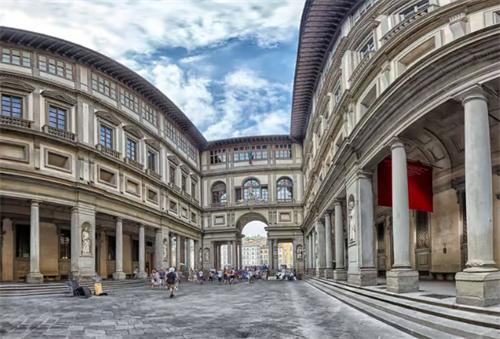
It’s helpful to remember that the Uffizi was never intended to be a museum in the modern sense. Built in the 16th century under Cosimo I de’ Medici, it was originally designed as offices—uffizi—for Florentine magistrates (Hibbert, 1974). This explains the long corridors, repeated window views, and logical flow of rooms. When families understand this origin, the building suddenly makes sense: it feels more like a grand civic space than a sealed-off art vault.
The Medici didn’t just collect art; they curated Florence’s identity. Over generations, their private collection gradually became accessible to the public, shaping the Uffizi into one of the world’s earliest public museums (Uffizi Galleries, n.d.). Explaining this transformation helps children grasp why so many masterpieces are concentrated here—and why one family’s choices still affect how we experience art today.
Why the Medici Narrative Is Ideal for Children?
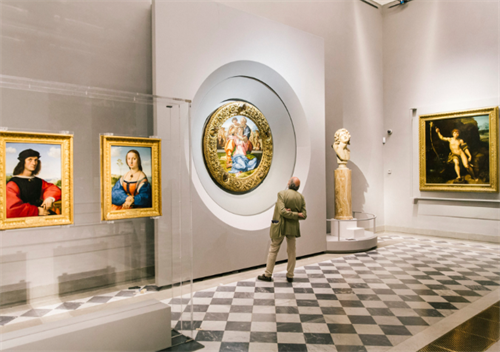
Abstract art history can lose young visitors quickly. Names, dates, and styles blur together. But the Medici story grounds these works in human decisions. Why did they support Botticelli? Why did they invite young artists like Michelangelo and Leonardo into their circle? Suddenly, paintings aren’t just beautiful—they’re answers to “why.”
Storytelling improves attention span because it gives children a reason to look closely. Instead of scanning rooms, they search for clues: symbols of power, expressions of faith, signs of rivalry. Research on museum learning confirms that narrative framing significantly improves engagement for younger audiences (Falk & Dierking, 2016). At the Uffizi, the Medici story is the thread that keeps families connected.
Pre-Trip Preparation: Planning a Calm and Efficient Family Visit
-Choosing the Right Time and Ticket Strategy
Timing can make or break a family visit. The Uffizi is busiest between late morning and early afternoon, especially from April to October. From experience, early morning slots—right at opening—or late afternoon entries offer the calmest atmosphere. Children are fresher, and corridors are easier to navigate.
Skip-the-line tickets are essential for families. Waiting an hour in line can drain enthusiasm before the visit even begins. Guided family tours can be worthwhile, but they’re not always necessary. If your children respond well to storytelling and questions, a self-guided visit allows flexibility and breaks without pressure. Budget-wise, skip-the-line tickets often provide better value than full guided tours for families staying under three hours.
-Transportation and Arrival Strategy
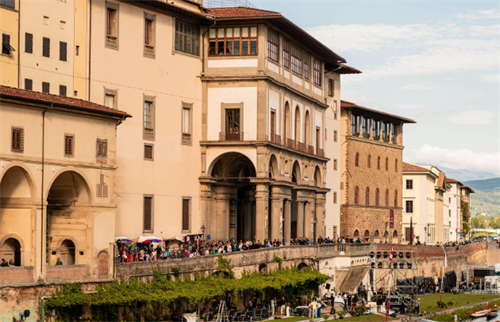
Florence’s historic center is compact, which works in families’ favor. If you’re staying centrally, walking to the Uffizi is often easier than navigating buses with strollers. The approach along the Arno or through Piazza della Signoria naturally sets the scene and builds anticipation.
If using public transport, buses stop nearby, but disembarking during peak hours can be chaotic. I recommend arriving at least 20 minutes early to locate the correct entrance calmly. The main entrance for timed tickets is clearly marked, and choosing it over secondary queues saves both time and stress.
-Budget Planning for Families
Ticket prices vary by season, with additional reservation fees for advance bookings. Children under 18 are generally free or discounted, but reservation fees may still apply. Beyond tickets, families should budget for lockers, optional audio guides, and post-visit food.
A realistic per-person budget for a half-day Uffizi experience—including tickets and a nearby meal—helps avoid rushed decisions. Cultural visits feel calmer when you’re not constantly recalculating costs. Remember that museum policies and pricing may change, so it’s always recommended to verify details on the official Uffizi Gallery website before departure.
Core Experience: A Family-Friendly Route Through the Uffizi
-Designing a Smart Family Route (Not the Full Museum)
One of the biggest mistakes families make is trying to “see everything.” The Uffizi rewards focus, not endurance. For families, a curated route of six to eight key rooms connected by the Medici narrative is ideal. This usually takes two to three hours, including breaks.
The layout naturally progresses chronologically, which helps children follow artistic development without explanation overload. Moving forward rather than doubling back reduces fatigue and frustration. Less walking, fewer decisions, and clearer storytelling make a noticeable difference in children’s mood and attention.
-Q&A-Style Storytelling at Key Artworks
At Botticelli’s Birth of Venus, instead of explaining Neoplatonism, I ask children why they think a powerful family would display a painting of a goddess. The discussion naturally turns to beauty, ideas, and influence. Leonardo da Vinci’s early works spark questions about experimentation and curiosity—why did he try so many things, and why didn’t he always finish them?
Michelangelo’s presence introduces power and ambition. Art becomes political language, not decoration. This question-and-answer approach mirrors how children naturally process information and aligns with educational best practices for museum learning (Falk & Dierking, 2016).
-Best Viewing Angles and Photo Opportunities
Photography is allowed in most Uffizi rooms without flash, but discretion is key. The best family photos aren’t taken in front of crowded masterpieces but from the gallery’s windows and balconies overlooking the Arno. Late afternoon light softens the cityscape, offering a calm contrast to indoor galleries.
When photographing children, stepping slightly aside from main traffic paths avoids disruption and stress. I’ve found that these quieter moments often produce more meaningful images than staged shots in front of famous works.
-Managing Energy, Focus, and Breaks
Children rarely announce fatigue—they show it. Restlessness, rushing, or disengagement are cues to pause. The Uffizi has seating areas that double as observation points. Stopping before attention drops preserves the experience.
Ending the visit on a highlight, rather than pushing through exhaustion, leaves children with positive associations. Leaving early isn’t failure; it’s a strategic success.
Food Recommendations: Where to Eat After (or Before) the Uffizi
-Timing Meals Around Museum Energy Levels
In most cases, eating after the visit works better. Hunger becomes a motivator to finish calmly rather than a distraction inside galleries. Avoid peak lunch hours immediately around the museum; nearby streets fill quickly with tour groups.
-Family-Friendly Restaurants Near the Uffizi
Florence offers plenty of casual trattorias within walking distance. Look for places slightly removed from main tourist corridors—menus are often more approachable, and service is calmer. Dishes like pasta with tomato sauce, grilled chicken, or simple pizzas tend to suit children without sacrificing authenticity.
Budget ranges vary, but mid-range trattorias provide the best balance of comfort and quality for families.
-Gelato as a Cultural Reset
A gelato stop isn’t just a treat; it’s a transition. It signals the end of the museum visit and gives children space to process what they’ve seen. Choosing well-reviewed gelaterias away from major squares avoids tourist traps and turns dessert into a memorable ritual.
Pitfall Avoidance Guide: Common Family Mistakes at the Uffizi
-Overloading the Itinerary
Combining the Uffizi with multiple major attractions in one day often backfires. Mental fatigue accumulates quickly in children. Pairing the visit with a gentle outdoor activity—like a stroll along the Arno or time in a nearby piazza—creates balance.
-Ignoring Museum Etiquette with Children
Museum rules don’t have to feel restrictive. Framing etiquette as a “museum mission” helps children understand why quiet voices and slow movement matter. Respect becomes part of the experience, not a constant correction.
-Underestimating Mental Fatigue
Signs of overload appear before complaints. Recognizing them early and leaving on a positive note reinforces curiosity rather than resistance. From my experience, children who leave wanting more are far more likely to engage deeply in future cultural visits.
Quick Memo List: Family Uffizi Visit at a Glance
Book timed-entry tickets in advance;
Arrive early or late to avoid peak crowds;
Follow a short, story-driven route;
Focus on Medici narratives, not every artwork;
Plan food and breaks intentionally;
Verify official information before departure;
Children may not retain specific dates or artist names, but they often remember the stories that give those details meaning. Through the Medici family’s influence, the Uffizi illustrates how a single family helped shape a city through creativity, ambition, and bold decisions, turning corridors of power into spaces of imagination. Visiting the Uffizi with children is less about fostering future specialists and more about helping them understand how culture emerges from human choices. When families explore the gallery with intention and curiosity, the experience becomes a shared journey of discovery that extends well beyond the museum itself.
References:
[1]Falk, J. H., & Dierking, L. D. (2016). The museum experience revisited. Routledge.
[2]Hibbert, C. (1974). The House of Medici: Its rise and fall. William Morrow.
[3]Uffizi Galleries. (n.d.). History of the Uffizi Gallery. Retrieved from the official Uffizi Galleries website.
[4]UNESCO. (1982). Historic Centre of Florence. World Heritage Centre.
[5]Paoletti, J. T., & Radke, G. M. (2011). Art in Renaissance Italy. Laurence King Publishing.
Recommended for you: