


Exploring the Fujian Earthworks in China:Spending One Night in the “Flying Saucer That Fell from the Sky,” and Experiencing the Hakka Lifestyle
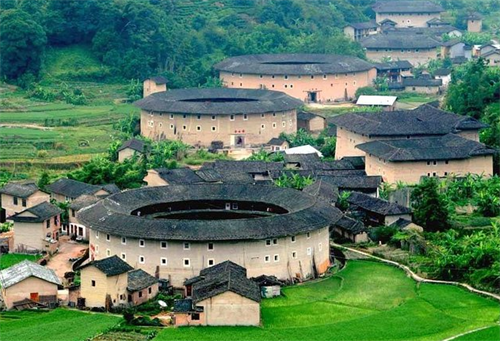
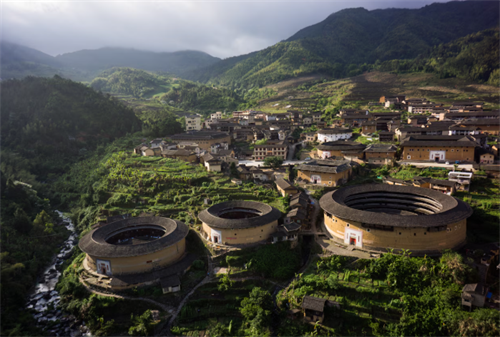
When your family first arrives in Fujian Province and sees the massive earthen walls of the Tulou rising from green rice terraces and misty hillsides, the effect is unforgettable. These remarkable earthen fortresses — some appearing as enormous doughnut shapes set against the mountainous backdrop — spark curiosity in children and adults alike. To local farmers, they are homes. To historians, they are living testaments to human ingenuity. To families like yours, they are destinations of discovery and cultural immersion.
In southeastern China, Fujian’s Tulou are more than architectural curiosities; they are living villages, places where community, sustainability, and history intersect. Built predominantly by the Hakka people over centuries, these structures were designed to shelter clans from conflict, support shared life, and harmonize with their environment. The rammed earth walls, sometimes thicker than a meter, have stood against earthquakes, storms, and the passage of time, inspiring awe and reflection. In 2008, UNESCO recognized 46 such buildings as World Heritage Sites for their cultural and architectural significance.(UNESCO World Heritage Centre, n.d.)
For families planning a trip south from Shanghai or Xiamen, Fujian’s Tulou offer lessons far beyond sightseeing. They invite children and adults to step into history, engage with local life, and connect with fundamental ideas about community, resilience, and place. This guide brings together cultural context, practical travel advice, real examples from iconic sites, and family tested tips to make your trip smooth, meaningful, and unforgettable.
What the Fujian Earthworks Are and Why They Matter?
The Hakka people — originally a migratory Han subgroup from northern China — came to Fujian’s remote hills between the Song and Yuan dynasties (11th–13th centuries), seeking refuge from unrest and scarcity. Over generations, they developed a unique response to the challenges of mountain life and conflict: Tulou, massive rammed earth communal structures. With thick walls, a single fortified entrance, and defensive positions around the perimeter, Tulou functioned as fortified villages where entire clans lived, worked, and worshipped together. Their designs reflect not just military foresight but deep social unity — spaces built to reinforce shared life rather than isolated privacy. (UNESCO World Heritage Centre, n.d.)
Unlike many heritage sites where residences have long since emptied, many Tulou remain inhabited today. Elderly residents still sip tea in central courtyards, children play beneath wooden balconies, and the rhythms of daily life unfold within these ancient walls. That continuity makes the Tulou uniquely engaging for children, who quickly understand that these places are not frozen in time but part of an ongoing story of place, family, and resilience.
Choosing the Right Tulou Cluster for Families:
Fujian’s Tulou are spread across three main counties: Nanjing, Yongding, and Hua’an. Each offers distinct experiences, and families will benefit from choosing clusters based on mobility, interest, and comfort level.
-Nanjing County:
This area is ideal for families visiting Fujian for the first time.
Tianluokeng Tulou Cluster — Perhaps the most photographed formation, this group of five buildings is arranged like a classic Chinese dinner: four round Tulou encircling a square one, often referred to as “Four Dishes and One Soup.” The panoramic view from a hilltop platform gives children a sense of the Tulou’s scale against the lush valley below.
Yuchanglou — Dating back to 1308, this is one of the oldest and largest circular Tulou. Its slightly tilted pillars — some leaning up to 15 degrees — offer an exciting conversation starter about structural engineering and resilience, especially how ancient builders adapted to geological realities and still created long lasting structures.
Yunshuiyao Ancient Town — A short walk from clustered Tulou, this riverside town with ancient banyan trees and stone pathways feels timeless. This is a great place for families to slow down, enjoy traditional tea houses, and let energetic children explore safely along pedestrian lanes.
Taxia Village — Established in 1426, Taxia combines Tulou with traditional stilted wooden houses (Diaojiaolou) and a gentle river walk. The crystal clear stream and stone footbridges make this village especially appealing for younger kids who enjoy water play and nature observation.
Travel tip: Nanjing is only a few hours’ drive from Xiamen — an excellent base for families combining coastal cities with rural exploration. Local buses and taxis connect stations to clusters, but arranging transport through a hotel or guide often saves time and reduces stress.
-Yongding County
This area is larger and more varied, with some of the most famous Tulou in Fujian.
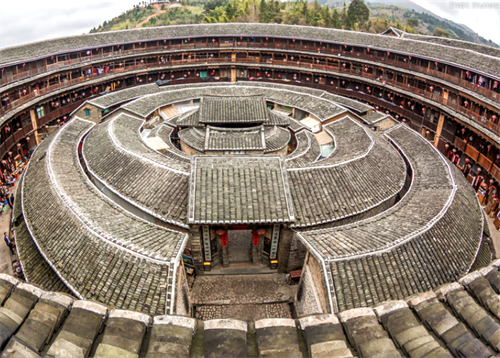
Chengqi Lou (“King of Tulou”) — Boasting over 400 rooms and multiple concentric rings surrounding a central courtyard, Chengqi Lou is an architectural marvel. Children especially love imagining secret passageways and the logic of communal living in such a vast space.
Shize Building — A rectangular Tulou with symbolic architectural elements reflecting Hakka values of kindness. Its earthquake resistant design makes for a compelling practical lesson in form meeting function.
Qiaofu Building — Known as the “Doctor Tulou,” where several residents earned medical degrees, this structure stands as an inspiring story about education and aspiration, perfect for older children thinking about study and opportunity.
Yongding is slightly farther from urban centers, and its popularity means some areas can get crowded, especially around Chengqi Lou. Families who prefer quieter, more contemplative experiences often explore smaller clusters or visit during off peak hours in the early morning or late afternoon.
-Hua’an County
Less commercial and quieter than other areas, Hua’an is ideal for families who want a more authentic, unhurried experience. The Tulou here are less famous but equally rich in cultural texture, making them excellent for reflection, photography, and slow paced exploration.
Sleeping in a Tulou — A Cultural Highlight:
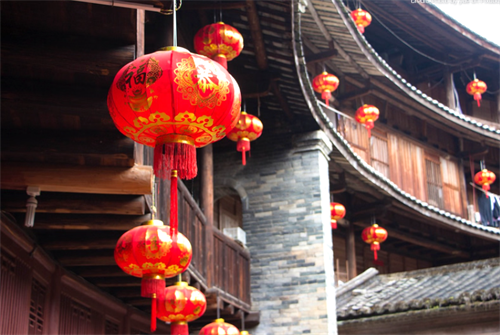
One of the most memorable parts of a Fujian Tulou trip for families is staying overnight inside one. Many Tulou have been adapted into guest accommodations that retain traditional structures while offering basic comfort. Some rooms feel rustic — lanterns flickering in thick earthen rooms, corridors echoing with footsteps — while others have private bathrooms and modern bedding.
Children often describe sleeping within the walls as “like being inside a giant storybook.” The cultural value isn’t just novelty — it’s sensory immersion. Imagine:
Quiet nights with sounds of night insects, distant bells, and rustling bamboo.
Morning light filtering through narrow windows into a courtyard where life begins again.
Shared meals around low tables in communal dining rooms, where local hosts welcome families like old friends.
-Practical advice:
If you have toddlers or very young children, request ground floor rooms.
Bring a small flashlight or lantern for navigating darker hallways at night.
Confirm bathroom arrangements in advance — some traditional guest rooms may share facilities.
Experiencing Tulou Life — Beyond the Walls
-Central Courtyards
Every Tulou has a central courtyard — the heart of social life. Rather than museum displays, these spaces feature real activity: elders playing cards or Chinese chess, neighbors chatting over tea, and sometimes children running freely. Courtyards are perfect spaces for families to observe without intruding.
-Local Activities With Kids
Most clusters offer hands on cultural experiences:
Traditional rice cake making;
Lantern painting workshops;
Tea tasting sessions with explanations of local tea culture;
Calligraphy and folk art demonstrations;
These activities engage children’s creativity and deepen their understanding of how tradition intersects with daily life.
Culinary Immersion:
Hakka meals are hearty and communal, often centered on family style dishes such as steamed pork with preserved mustard greens (meicai kourou). Sharing food becomes a conversation — children learn about seasonality, preservation, and local flavors in a natural, enjoyable way.
Practical Family Travel Tips:
-Best Time to Visit
Autumn (September–November) offers comfortable temperatures, clearer skies, and colorful scenery.
Spring (March–May) provides mild weather and blooming villages.
Summers can be hot, humid, and rainy; winters, while cooler and quieter, are less conducive to outdoor exploration.
-Getting There
The most common starting points are Xiamen or Fuzhou:
Take a high speed train to Nanjing Station— not to be confused with Nanjing city in Jiangsu.
From the station, taxis or pre booked transfers take you to Tulou clusters in about 1–2 hours.
Arranging transfers through guesthouses or local tour operators simplifies navigation and ensures timely pick ups.
-Tickets and Crowd Management
Different Tulou areas require separate entrance tickets. For example:
A combined ticket in Nanjing County often covers Tianluokeng, Taxia Village, and Yuchanglou.
Yongding has its own ticketing system for Chengqi Lou and adjacent buildings.
Tickets are not expensive by international standards (typically modest RMB amounts), but families should budget accordingly and plan early departure times to beat crowds and avoid loud tour groups with megaphones — a common issue in popular areas that can diminish the contemplative atmosphere.
-Daily Rhythm and Pacing
For families, avoid overscheduling. A balanced day might include:
Morning: Visit a major cluster (e.g., Tianluokeng) during cooler hours;
Early afternoon: Lunch in a courtyard or village tea house;
Late afternoon: Short hike or exploration of smaller Tulou villages;
Evening: Cultural workshop or quiet family reflection;
Inspiring Tulou Stories and Family Reflections:
-Yuchanglou’s Leaning Pillars
One of the oldest Tulou, Yuchanglou’s leaning wooden pillars were once thought structural defects. Yet this “imperfection” has allowed the building to flex rather than fracture during earthquakes. For families, this story becomes a lesson in adaptive design, resilience, and creative problem-solving — a powerful narrative for curious young minds.
-Hegui Tulou and the Marshland
Hegui, sometimes called “Noah’s Ark,” stands on marshy ground and remains upright despite seasonal flooding. Here, children can witness how architecture can work with the environment — an organic lesson in sustainability and observation.
Fujian’s Tulou are not just earthen walls — they are living classrooms where families can come to learn, reflect, and connect with an enduring human story. Sleeping within ancient walls, tasting Hakka cuisine, walking cobblestone lanes lined with banyan trees, and chatting with local elders expose children to history as lived experience, not just textbook material.
Your family will not only photograph impressive structures but also feel them — the echo of footsteps in a courtyard, the quiet exchange of tea, the communal rhythms that shaped life for centuries. In an era of rapid change, Fujian’s earthworks remind us of what enduring community looks like, how architecture can nurture human connection, and how ordinary life can be truly extraordinary.
References:
[1]National Geographic. (2018). China’s massive earthen fortresses once housed up to 800 people. https://www.nationalgeographic.com/travel/article/fujian-tulou-unesco-world-heritage-site
UNESCO World Heritage Centre. (n.d.). Fujian Tulou. https://whc.unesco.org/en/list/1113
[2]Xiamen Tulou Tour. (2025). Fujian Tulou: History, architecture, and visitor guide. https://www.xiamen-tulou-tour.com
[3]Nodari, F. (2025). Fujian Tulou: A comprehensive guide to the Hakka villages. China Travel Blog. https://www.fabionodari.com/fujian-tulou-guide
Recommended for you: