


Parent-Child Tour of the Colosseum and Ancient City: Using AR Applications to Let Children 'See' Ancient Rome
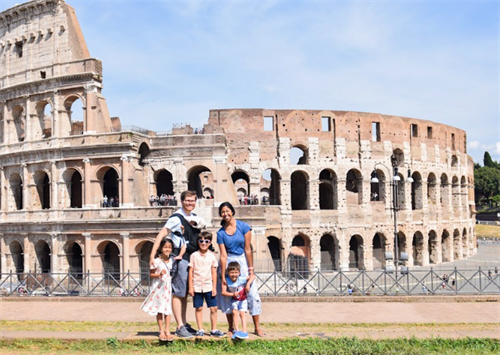
I can vividly recall the blend of anticipation and anxiety the very first time I walked into the Colosseum with my child. The vast arches, the throngs of visitors, and the thought of keeping a curious little one engaged through hours of walking all felt overwhelming. I wasn’t sure if the day would turn into a magical dive into history—or a long, tiring trek through stone and rubble punctuated by repeated “Are we leaving yet?” questions. Everything changed when we opened the AR application I had downloaded in advance. Suddenly, the Colosseum wasn’t just a pile of ancient stones. My child gasped as gladiators appeared on the arena floor, the walls rose to their original height, and the imagined roar of cheering spectators echoed around us. What could have been a dry history lesson became a living, breathing story, sparking questions and curiosity at every turn.
AR technology transforms the Colosseum and the surrounding ancient city into a playground for imagination. Children can “walk” the Forum as it once was, witness marketplaces in action, and picture emperors strolling through Palatine Hill. When combined with thoughtful planning—timed-entry tickets, optimized walking routes, and well-timed breaks—this technology allows families to experience Ancient Rome fully, making the visit both educational and fun.
Understanding the Colosseum and Ancient Rome:
Historical and Cultural Context
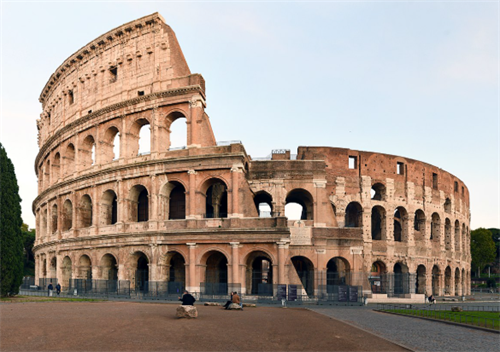
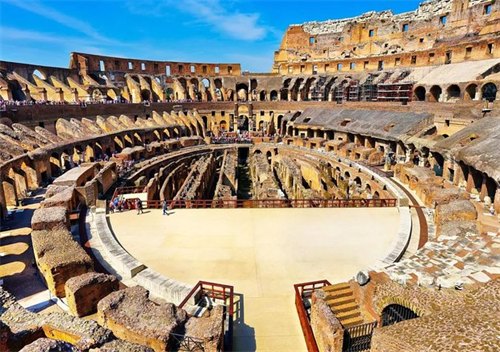
The Colosseum, or Flavian Amphitheatre, was inaugurated in 80 CE under Emperor Titus and could hold up to 50,000 spectators (Claridge, 2010). It served as a venue for gladiatorial games, animal hunts, and public spectacles, reflecting both the engineering ingenuity and social priorities of Ancient Rome. Adjacent to the Colosseum, the Roman Forum functioned as the civic, political, and commercial hub, while the Palatine Hill was the residential area for emperors and elite families. Together, these sites provide a holistic view of Roman urban life.
For families, the sheer scale and historical complexity of these locations can be intimidating. AR applications transform potential confusion into curiosity-driven exploration. By visualizing the Colosseum in its original state, watching gladiators in combat, and “walking” through ancient streets, children gain a tangible understanding of Roman society, politics, and culture. This approach makes the past engaging and accessible, turning a static visit into a living history experience.
Why It Appeals to Families
Children learn best through interactive and narrative experiences. The Colosseum and its surrounding ruins are particularly family-friendly because the combination of physical structures and digital reconstructions helps them grasp both scale and context. Storytelling around gladiators, emperors, and Roman citizens transforms abstract history into characters and events children can follow. Structured routes with AR integration provide a balance between exploration and focus, ensuring children remain engaged without feeling rushed (Coarelli, 2014). This approach allows families to experience Ancient Rome not merely as observers but as participants in an unfolding story.
Pre-Trip Preparations: Planning a Calm and Efficient Family Visit
-Choosing the Best Time and Tickets
Peak visiting hours at the Colosseum and Roman Forum are between 10 a.m. and 2 p.m. Families benefit from arriving either early in the morning or late in the afternoon. Early morning visits offer shorter lines, cooler temperatures, and better lighting for both photography and AR applications. Late afternoon visits provide softer lighting, smaller crowds, and a calmer atmosphere for children who may tire mid-day.
Timed-entry tickets are essential for families with young children, and skip-the-line passes significantly reduce waiting times. Some guided family tours include AR devices, combining expert storytelling with interactive technology, which can enhance engagement and learning. Preparing for ticketing and app subscriptions in advance ensures a smoother, stress-free experience.
-Transportation and Arrival Strategy
Rome’s city center is pedestrian-friendly, but strollers and young children require careful planning. The Colosseo metro station on line B offers direct access, reducing the need for long walks. Pedestrian routes from nearby piazzas are stroller-accessible and provide opportunities for children to observe city life. Families arriving by car should consider park-and-ride facilities outside the historic center to avoid expensive and limited parking spaces. Arriving 30–45 minutes early allows time for restroom breaks, orientation, and AR app setup.
-Budget Planning
Visiting Ancient Rome with children involves several cost considerations. Standard tickets for the Colosseum, Forum, and Palatine Hill combination range around €16–€20 per adult, while children under 18 often benefit from free or reduced entry (Italian Ministry of Cultural Heritage, 2022). AR applications usually require a small subscription fee, often included in guided tours. Families should also budget for snacks, water, and optional souvenirs or extra activities. Setting a daily per-person budget ensures preparation for both essential and optional expenses, helping to avoid surprises.
-Preparing Children
Before the visit, introduce children to Roman history in simple, engaging terms. Equip them with comfortable shoes, sun protection, and fully charged devices for AR experiences. A small backpack with water, snacks, and first aid supplies helps maintain comfort and preparedness. Clear guidance reduces stress, allowing children to immerse themselves fully in the historical and interactive experience.
Core Experience: A Family-Friendly Route Through Ancient Rome
-Using AR to Enhance Understanding
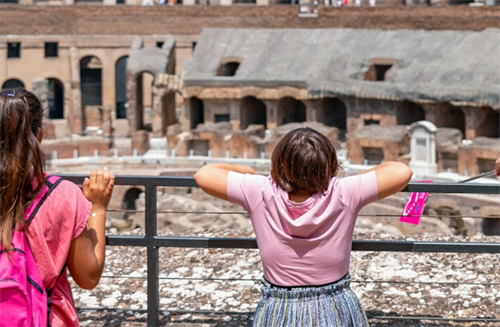
AR applications transform ruins into immersive historical narratives. Children can see the Colosseum filled with spectators, watch gladiators compete, and observe the Forum as a bustling civic center. Palatine Hill appears as it did during the reigns of Rome’s elite families, highlighting gardens, villas, and public spaces. By interacting with virtual reconstructions and short reenactments, children develop a deeper understanding of scale, architecture, and Roman society. AR encourages curiosity-driven questions, turning exploration into active learning rather than passive observation (Smith & Thompson, 2020).
-Smart Route Planning
Families should follow a concise route that minimizes backtracking and maintains focus. Starting at the Colosseum, visitors can explore the arena floor and underground tunnels, observing the amphitheater from multiple vantage points. The walk naturally leads to the Roman Forum, where children can explore temples, basilicas, and marketplaces, visualizing civic and religious life. Ending at Palatine Hill provides sweeping views over the Forum and Circus Maximus, allowing children to contextualize the city’s layout. This structured sequence maximizes both engagement and photo opportunities.
-Key Stops and Storytelling Moments
Storytelling at each location transforms history into a narrative children can understand. In the Colosseum, discussions center on gladiatorial contests and the social significance of public entertainment. At the Arch of Constantine, families learn about political symbolism and public celebration. The Forum’s temples and marketplaces illustrate civic life, commerce, and religious practice, while Palatine Hill highlights elite residential life and urban planning. Presenting these stops as cohesive stories rather than isolated facts allows children to follow the journey logically and retain more knowledge.
-Managing Energy and Focus
Children’s attention naturally wanes during extended visits. Strategic breaks in shaded areas or quiet corners, combined with snack and hydration stops, help maintain energy. Alternating between walking and AR-based interaction prevents overstimulation. Families should remain flexible, willing to end the tour early if children become tired, ensuring that the visit remains positive and memorable.
Food Recommendations: Family-Friendly Options Nearby
-Quick Bites and Traditional Fare
Nearby eateries offer convenient and culturally immersive options. Pizza al taglio, served by weight, is ideal for children to share, while pasta dishes with mild sauces are suitable for younger palates. Gelato shops near the Colosseum provide an enjoyable and energizing break, giving children a sensory experience alongside historical exploration.
-Meal Timing Strategies
Eating early or mid-morning helps avoid tourist crowds and sustains energy for sightseeing. Casual trattorias with seating provide opportunities for children to rest, while snack breaks can be integrated with AR interaction to maintain engagement. Families may also bring pre-packed snacks for picnics in shaded areas near the Forum, combining nourishment with flexible exploration.
Safety Tips and Responsible Participation:
-Crowds and Public Space Safety
Crowds around the Colosseum and Forum can be dense. Parents should keep children within sight, particularly near stairs and viewing platforms. Wristbands with contact information and pre-identified meeting points help manage potential separations, ensuring a calm and controlled experience.
-Health, Comfort, and Environmental Awareness
Frequent hydration, sun protection, and comfortable clothing are essential. Families should model respectful behavior toward historic sites and encourage eco-friendly practices, such as proper waste disposal. Monitoring children for signs of fatigue or overstimulation allows families to adjust pacing and maintain enjoyment (Van der Meer, 2019).
-AR and Device Safety
Screen time should be managed to prevent eye strain, and protective cases are recommended for tablets and smartphones. Children should be instructed on courteous device use, respecting other visitors while engaging with AR applications.
Quick Reminder List: Family Colosseum Visit at a Glance
Book timed-entry tickets and AR app access in advance;
Arrive early or late to avoid peak crowds;
Follow a structured route: Colosseum → Forum → Palatine Hill
Plan breaks and meals strategically;
Keep children safe in crowds, on stairs, and near viewpoints;
Bring sun protection, water, and snacks;
Verify official schedules, ticketing, and access rules before departure;
For families, visiting Ancient Rome isn’t about turning children into historians overnight. It’s about creating shared experiences that spark curiosity, wonder, and connection. It’s about showing how human choices, ambitions, and creativity shaped the world around them. When a child can see history as a living story rather than a series of facts, it becomes meaningful—and unforgettable.
References:
[1]Claridge, A. (2010). Rome: An Oxford Archaeological Guide. Oxford University Press.
[2]Coarelli, F. (2014). Rome and Its Monuments: A Historical Guide. Getty Publications.
[3]Italian Ministry of Cultural Heritage. (2022). Visiting Ancient Rome with Families: Accessibility and Guidelines. Retrieved from http://www.beniculturali.it
[4]Smith, J., & Thompson, R. (2020). Family Travel in European Heritage Sites. Routledge.
[5]Van der Meer, L. (2019). Cultural Heritage and Community Engagement in Italy. Amsterdam University Press.
Recommended for you: