


The Orange Carnival of the Dutch King’s Day: Bringing Kids into the World’s Happiest Street Party and Market
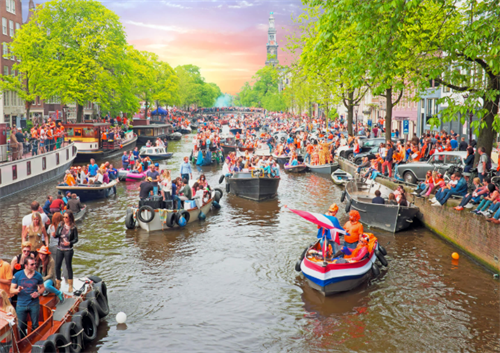
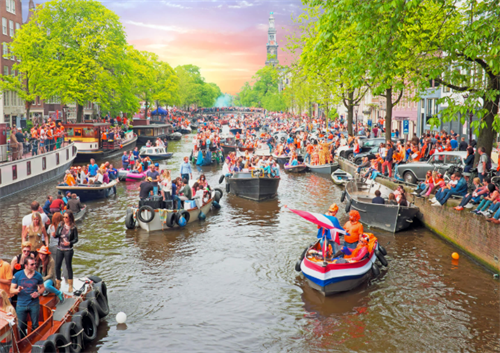
The first time my family attended King’s Day in Amsterdam, I wasn’t sure what to expect. I imagined crowded streets, loud music, and children growing restless amid the chaos. What actually happened was far more magical. From the moment we stepped into the orange-filled streets, my kids’ eyes widened at the sight of boats floating along the canals, street performers juggling and playing music, and families selling small treasures at the flea markets. Instead of asking, “Are we leaving yet?” they were pointing out costumes, asking about the royal family, and even bargaining for small souvenirs.
King’s Day works for families not because it simplifies the festival, but because it turns the city into an interactive storybook. Children can participate directly—exploring markets, joining games, or simply observing the communal joy around them. Framing the day around a narrative of curiosity, participation, and shared experience transforms a potentially overwhelming event into a deeply rewarding cultural journey.
Understanding King’s Day in the Netherlands:
-The Festival’s Cultural and Historical Background
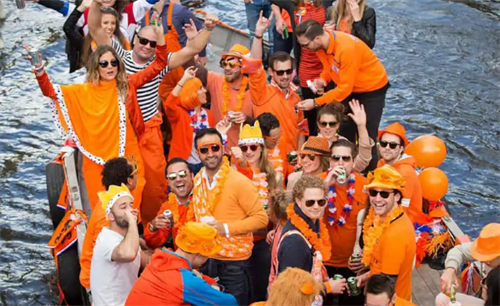
King’s Day originated as a celebration of the Dutch monarch’s birthday, and its roots trace back to the early 19th century under King Willem I. Initially a regional celebration, it has evolved into a nationwide event marked by communal markets, music, and public festivities (Dutch Tourist Board, 2022). Orange, the color of the Dutch royal family—the House of Orange-Nassau—dominates clothing, decorations, and accessories. The symbolism of orange extends beyond national pride; it serves as a unifying visual marker, allowing children to instantly recognize the collective joy around them.
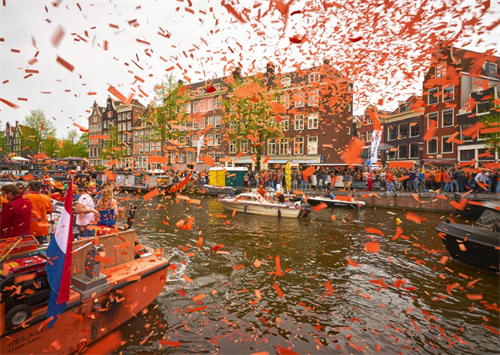
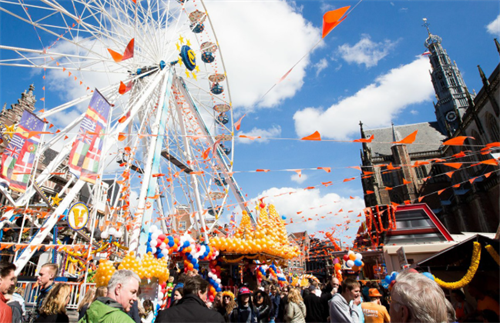
Unlike other festivals that may focus solely on performance or religious observance, King’s Day combines civic celebration with family-centered activities. Streets transform into interactive playgrounds, canals host floating parties and boats decorated in orange, and open-air flea markets allow children to explore and trade small items. Understanding this context helps families approach the event as both a cultural experience and an opportunity for child-centered engagement.
-Why King’s Day Appeals to Families
Children thrive on interactive experiences, and King’s Day offers multiple avenues for engagement:
Hands-on activities such as selling or buying small items at street markets;
Safe exploration in designated pedestrian zones;
Observing and participating in music, dance, and public performances;
For families, the festival presents a unique opportunity to teach children about Dutch cultural norms, social participation, and the values of communal celebration. Participation is inherently structured through walking routes, markets, and staged events, creating a balance between freedom and supervision. Families can experience the festival fully without feeling pressured to attend every performance or navigate every canal.
Pre-Trip Preparations: Planning for a Smooth Family Visit
-Choosing the Best Location and Timing:
King’s Day is celebrated throughout the Netherlands, but city selection significantly impacts the family experience:
Amsterdam: Iconic canals, massive markets, and high-energy street performances. Best for families prepared for crowds and structured routes.
Utrecht: Smaller scale than Amsterdam, with calmer pedestrian zones, making it ideal for young children.
Maastricht: Combines urban charm with intimate community events, providing space for children to explore without congestion.
Timing is crucial. The festival typically peaks mid-morning to early afternoon. Arriving early allows families to avoid dense crowds, claim favorable spots for market browsing, and enjoy quieter canal walks. Late afternoon arrivals offer calmer lighting for photos and often reduced crowd density, but some markets may start winding down. Parents should weigh these factors based on children’s energy levels and attention spans.
-Tickets, Transportation, and Budget Planning:
Transportation strategies differ depending on city and family composition. In Amsterdam, public transport—including trams and buses—is often faster than driving. Stroller-friendly walking routes along pedestrianized streets and canals minimize congestion stress. Parking is generally expensive and limited; families with young children benefit from using park-and-ride facilities combined with public transport.
Budget planning is essential to maintain comfort and flexibility:
Flea market participation: Allow small cash for children to buy or sell items;
Food: Typical street snacks range from €2–5, with meals at casual cafes €10–15 per person;
Transportation: Public transit day passes are often economical for families;
Optional experiences: Canal boat rentals, face painting, or small crafts may require additional budget;
It is recommended to verify all schedules, entry policies, and transportation options on official websites prior to departure, as routes and regulations may change yearly (Dutch Tourist Board, 2022).
Preparing Children and Family Essentials:
Successful visits rely on preparation:
Dress code: Orange clothing is essential for full festival immersion; consider comfortable shoes for walking;
Essentials to bring: Sun protection, reusable water bottles, small snacks, lightweight backpack;
Safety tools: Wristbands with parental contact info, mobile phone with maps, small first aid kit;
Preparation ensures children remain comfortable, safe, and engaged throughout the day, reducing stress for both parents and kids.
Core Experience: Navigating King’s Day with Kids
-Exploring the Street Markets
Street markets are the heartbeat of King’s Day. To optimize the experience:
Plan a route connecting the most child-friendly areas, such as Vondelpark (Amsterdam) or Janskerkhof (Utrecht);
Prioritize stalls with interactive items: small toys, crafts, or mini-games;
Visit markets early for calmer browsing, or mid-afternoon for peak festive energy;
Markets provide both shopping and cultural education. Children learn negotiation, social interaction, and patience while exploring diverse offerings. Parents should resist the urge to cover all markets; focused exploration maintains attention and reduces fatigue.
Take my child as an example. I gave him 5 euros as ‘start-up capital.’ He went through the entire cycle: setting prices too high with no buyers, adjusting his strategy, successfully selling old toys, and finally budgeting carefully to buy a desired second-hand football. The sense of accomplishment on his face was far brighter than any store-bought gift could bring. This is the most authentic gift the King’s Day market offers a child.
-Participating in Public Games and Activities
King’s Day features a variety of child-focused activities:
Music workshops or impromptu street performances;
Face painting, balloon art, and temporary craft stations;
Canal-adjacent boat rides suitable for families with small children;
Parents should supervise closely near waterways and bridges. Encouraging children to participate in small challenges—like a scavenger hunt or finding specific decorations—enhances engagement while providing structure in a crowded environment.
-Capturing the Celebration: Photo and Viewing Tips
Photography is integral to documenting memories, but respectful positioning is essential:
Use bridges and elevated spots for unobstructed views of canals;
Late morning or early evening light produces soft shadows ideal for family portraits;
Include children in foreground for contextual photos rather than posing solely in front of attractions;
Crowd density may restrict ideal angles; moving slightly off main thoroughfares allows for meaningful and less stressful photographs.
Managing Energy and Breaks:
Children’s energy is finite. Strategies for maintaining engagement:
Schedule mid-morning or early-afternoon snack breaks at quieter cafes;
Identify shaded areas or benches in parks and along canals;
Limit continuous walking to 30–45 minutes at a stretch to prevent fatigue;
Observation of children’s behavior is critical. Signs of overstimulation—irritability, distraction, or complaints—signal the need for a brief pause, ensuring the rest of the festival remains enjoyable.
Food Recommendations: Sampling Dutch Street Fare
-Family-Friendly Street Food
King’s Day is a culinary adventure. Children tend to enjoy:
Poffertjes: Mini fluffy pancakes, often served with powdered sugar
French fries (patat): Often topped with mayonnaise or ketchup
Sweet treats: Stroopwafels, waffles, and candy
-Drinks: Fresh fruit juices, chocolate milk, or water
Street food offers both convenience and cultural immersion, providing children with accessible flavors while parents sample traditional Dutch cuisine.
-Meal Planning During the Festival
Meal timing improves comfort and focus:
Eat slightly before peak afternoon activity to avoid long queues;
Opt for family-friendly cafes near festival areas for calm seating;
Incorporate water and light snacks to maintain energy, especially during extended market browsing;
Gelato stops can serve as both a treat and a pacing strategy, helping families transition between high-energy zones.
Safety Tips and Responsible Participation:
-Crowd and Canal Safety
Crowds and canals present inherent risks:
Keep children within sight and consider wristbands with contact info
Use pedestrian-only zones whenever possible
Teach children to stop and wait if separated; identify meeting points
Parental vigilance is essential to ensure a safe, stress-free experience.
-Health, Comfort, and Environmental Responsibility
Maintaining comfort promotes engagement:
Hydrate frequently; wear sun protection;
Monitor for fatigue, overheating, or minor injuries;
Practice environmentally responsible behavior: reusable containers, proper waste disposal, and respectful treatment of public spaces (Van der Meer, 2019);
-Cultural Respect and Positive Behavior
King’s Day is a public celebration rooted in tradition:
Model polite interactions with vendors, performers, and other participants;
Explain to children the importance of cultural respect: no pushing, loud shouting, or interrupting performers;
Encourage active participation without disrupting others, fostering both fun and cultural awareness;
Quick Reminder List: Family King’s Day Summary
Dress in orange, wear comfortable shoes, and bring sun protection;
Use public transport or walking for easier navigation;
Plan a focused route for markets and activities;
Incorporate scheduled breaks and hydration;
Capture photos respectfully, emphasizing children in context;
Verify official schedules, routes, and regulations before departure;
As the orange hubbub fades away, what the children are holding tightly might not be a physical object, but a feeling - perhaps the sense of achievement from completing a 'transaction' on their own for the first time, or the vague curiosity about why the 'community celebration' can be so orderly. The true value of the King's Day is not in how many decorated boats we see, but in that it opens a window for children, allowing them to glimpse the tiny gears of social operation in the most joyful way. This understanding nourished by experience is far more lasting than any souvenir.
References:
[1]Dutch Tourist Board. (2022). King’s Day in the Netherlands. Retrieved from https://www.holland.com/global/tourism/events/kings-day.htm
[2]UNESCO. (2018). Intangible Cultural Heritage: King’s Day celebrations. Retrieved from https://ich.unesco.org/en
[3]Smith, J. (2020). Family travel in European festivals. Routledge.
[4]Van der Meer, L. (2019). Dutch cultural celebrations and community engagement. Amsterdam University Press.
[5]Brown, K., & Thompson, R. (2021). Traveling with children: Tips for safe and meaningful cultural experiences. Travel Scholar Publications.
Recommended for you: